ON THIS PAGE
Progress0%






Our Global Presence :





As businesses scale digital products, demand for skilled backend engineers grows rapidly. Statista’s 2025 Developer Survey shows that 43.6% of backend developers worldwide use Node.js, and Stack Overflow’s 2025 Developer Report names it the top-ranked backend framework of the year.
In 2025, over 37,000 remote Node.js job postings were listed globally, reflecting a strong appetite for fast, scalable web applications and real-time systems built with this runtime environment.
India has emerged as a key destination for companies looking to hire remote Nodejs developers in India, offering deep talent pools and robust technical capabilities. With a growing IT workforce and an expanding startup ecosystem, Indian developers often balance cost-effectiveness with world-class execution.
Choosing the right nodejs development talent from India can reduce hiring cycles, improve product velocity, and help global teams maintain a competitive advantage.
This guide outlines how global businesses can navigate hiring, assess skills, avoid common pitfalls, and build high-performing Node.js teams in India.
India’s Nodejs developers for hire benefit from strong academic foundations and early exposure to backend engineering, cloud services, and scalable web systems. Many work across fintech, SaaS, healthcare, and eCommerce platforms, gaining hands-on experience with complex logic, high-traffic applications, and performance optimization, which supports reliable delivery across diverse project requirements.
Indian Node.js developers regularly work with international teams and established global technology stacks. Experience with AWS, Azure, Google Cloud, Docker, Kubernetes, and modern JavaScript frameworks is common. This background reduces onboarding time, improves architectural alignment, and allows teams to integrate smoothly into existing systems without extensive retraining or workflow disruption.
India supports multiple engagement options, including dedicated developers, contract-based roles, and full development teams. This flexibility allows companies to scale resources up or down based on workload, timelines, and budget constraints. Businesses can test collaboration effectiveness, control costs, and adjust team composition without long-term commitments or operational complexity.
When you hire Nodejs developers India, they deliver strong technical capability at a controlled cost. Competitive pricing does not compromise code quality, security practices, or delivery standards.
Companies gain access to skilled engineers who follow global progressive web development practices, enabling efficient budget allocation while maintaining dependable output and long-term product stability.
Most Node.js developers in India operate in English-first professional environments and collaborate daily with international clients. Familiarity with Agile workflows, documentation standards, and distributed team tools supports clear communication. This reduces misunderstandings, improves sprint planning, and ensures technical discussions, feedback loops, and progress updates remain structured and transparent.
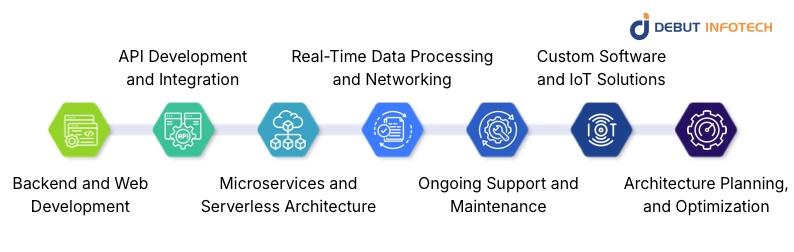
Node.js developers design and maintain server-side logic that supports scalable web applications. Responsibilities include managing databases, handling authentication, optimizing performance, and ensuring application security. Their role focuses on building stable backend systems that support high traffic, integrate seamlessly with frontend interfaces, and maintain consistent uptime across environments.
Developers create and maintain RESTful or GraphQL APIs that enable smooth communication between services. This includes third-party integrations, payment gateways, and internal systems. Attention is given to security, versioning, error handling, and documentation to ensure APIs remain reliable, scalable, and easy for internal teams or external partners to consume.
Node.js developers architect applications using microservices and serverless patterns to improve scalability and fault isolation. Responsibilities include service decomposition, event-driven workflows, cloud function deployment, and monitoring. These approaches help applications scale efficiently, reduce infrastructure overhead, and support faster updates without disrupting the overall system.
Developers build systems that handle live data streams with minimal latency. This includes chat and messaging applications, gaming servers, and rapid web application development tools for collaboration. Responsibilities cover WebSocket implementation, event handling, concurrency management, and network optimization to ensure fast, reliable, and synchronized user experiences across multiple connected clients.
Beyond initial development, Node.js developers provide continuous support to keep applications stable. Tasks include bug fixes, performance monitoring, dependency updates, and security patching. Regular maintenance ensures systems remain compatible with evolving technologies, scale effectively with user growth, and continue meeting operational and compliance requirements.
Node.js developers build tailored software solutions aligned with specific business needs, including IoT applications. Responsibilities involve device communication, data ingestion, real-time monitoring, and cloud integration. Their work ensures secure data exchange between hardware and software systems while supporting scalability, analytics, and long-term system reliability.
Developers contribute to system architecture decisions, focusing on scalability, fault tolerance, and performance. This includes selecting appropriate frameworks, defining data flows, and reviewing existing structures for improvement. Strong architectural oversight helps reduce technical debt, supports future expansion, and ensures applications remain maintainable as complexity increases.
A capable Node.js developer must have a deep understanding of JavaScript, including closures, prototypes, event loops, and asynchronous patterns. This knowledge directly affects code stability, performance, and maintainability, especially when building non-blocking, high-concurrency applications that rely heavily on asynchronous execution and efficient memory management.
Experience with frameworks like Express.js or NestJS shows that a developer can structure applications cleanly and follow best practices. This skill supports modular design, middleware management, and scalable routing logic. It also indicates familiarity with building maintainable backends that are easier to test, extend, and debug over time.
A strong Node.js developer understands both SQL and NoSQL databases, including schema design, indexing, and query optimization. This skill ensures efficient data storage and retrieval while avoiding performance bottlenecks. Experience with MongoDB, PostgreSQL, or MySQL is valuable for building reliable, data-driven applications.
Developers should know how to design secure, well-documented APIs that conform to REST or GraphQL standards. This includes authentication, rate limiting, versioning, and error handling. Solid API skills ensure smooth integration with third-party services and internal systems, reducing long-term integration issues and maintenance overhead.
Node.js developers benefit from hands-on experience with cloud platforms and DevOps workflows. Familiarity with AWS, Azure, CI/CD pipelines, containerization, and monitoring tools supports smoother deployments. This skill helps teams release updates faster, manage infrastructure efficiently, and maintain application reliability under changing workloads.
The ability to profile applications, identify bottlenecks, and resolve memory leaks is critical. Skilled developers understand logging, monitoring, and debugging tools used in Node.js environments. This ensures applications remain responsive under load and reduces downtime caused by poorly optimized code or unresolved runtime issues.
When you hire dedicated NodeJS developer in India, they should understand secure coding principles, including input validation, authentication flows, and data protection. Knowledge of common vulnerabilities helps prevent security breaches. This skill ensures that applications comply with basic security standards while protecting user data, system integrity, and the business’s reputation.

Before you hire node.js developers in India, clearly outline your project requirements. This sets the foundation for an effective hiring process. Define the application scope, technical stack, performance expectations, security needs, timelines, and budget constraints. Detailed documentation helps candidates assess alignment early, reduces misunderstandings, and ensures the selected Node.js developer can deliver measurable outcomes without repeated revisions or scope creep later.
Selecting the right sourcing channels determines the quality, reliability, and availability of Node.js talent you attract. Each channel serves a different hiring objective, from speed to specialization.
a) Specialized Talent Platforms
These platforms provide access to pre-vetted Node.js developers with verified technical skills and project experience. They reduce screening time, offer flexible engagement options, and are well-suited for companies seeking faster onboarding with lower hiring risk.
b) Global Job Boards
Global job boards expand your reach to a broader pool of developers across experience levels. They are effective for long-term roles, though they require stronger screening processes to filter candidates based on technical depth and project relevance.
c) Referral Networks
Referrals often deliver candidates with proven reliability and cultural alignment. Developers sourced this way typically integrate faster, require less supervision, and bring trusted recommendations based on real-world collaboration and performance history.
India’s major tech hubs offer concentrated access to skilled Node.js developers, mature startup ecosystems, and strong infrastructure. Location targeting improves hiring efficiency and increases the availability of senior talent.
a) Bengaluru (Bangalore)
Bengaluru hosts a dense pool of experienced backend engineers with exposure to global SaaS and enterprise projects. Developers here often possess strong architectural skills, cloud experience, and familiarity with large-scale system design.
b) Delhi NCR (Gurugram & Noida)
This region combines enterprise IT expertise with startup agility. Node.js developers here frequently work on fintech, logistics, and consumer platforms, offering balanced experience in performance optimization, compliance, and scalable backend development.
c) Hyderabad & Pune
Hyderabad and Pune are known for consistent engineering quality and lower attrition rates. Developers from these hubs often bring strong system stability, disciplined development practices, and long-term project commitment.
A structured screening process ensures candidates meet both technical standards and team collaboration expectations. Balanced evaluation reduces delivery risk and improves retention.
a) Code Assessment
Code assessments help evaluate real-world problem-solving, code structure, and performance awareness. Focus on backend logic, API handling, and asynchronous workflows to confirm practical Node.js proficiency beyond theoretical knowledge.
b) Portfolio Review
Reviewing past projects reveals experience with scale, architecture decisions, and production challenges. Look for clear documentation, system complexity, and evidence of long-term maintenance or optimization work.
c) Communication Test
Strong communication ensures smooth collaboration across distributed teams. Assess clarity in explaining technical decisions, responsiveness, and comfort with documentation, meetings, and feedback cycles to avoid future coordination issues.
Choosing the right engagement model aligns hiring structure with business goals, timelines, and compliance needs. Each option supports different operational priorities.
a) Contractors (Freelance/Consulting)
Contractors offer speed and flexibility for short-term or specialized projects. This model suits rapid development needs but requires clear deliverables, timelines, and oversight to maintain consistency and accountability.
b) EOR (Employer of Record)
EOR services simplify compliance, payroll, and local regulations while enabling full-time engagement. This option supports long-term collaboration without the complexity of setting up a local legal entity.
c) Direct Local Entity
Establishing a local entity allows full operational control and team ownership. It suits companies planning long-term expansion in India but involves higher setup costs and administrative responsibility.
Effective onboarding accelerates productivity and builds early engagement. A structured integration plan helps developers align quickly with tools, teams, and expectations.
a) Foster Collaboration
Encourage collaboration through regular check-ins, shared documentation, and clear workflows. Early involvement in discussions builds ownership and ensures developers understand both technical and business priorities.
b) Compensation Package
A transparent and competitive compensation package improves motivation and retention. Align pay with skill level, responsibilities, and growth opportunities to support long-term commitment and consistent performance.
c) Access and Knowledge Transfer
Provide timely access to systems, repositories, and documentation. Structured knowledge transfer reduces ramp-up time, prevents dependency gaps, and enables developers to contribute effectively from the early stages.
Costs to hire remote Nodejs developers in India vary based on experience, engagement model, and project scope. Junior developers typically charge $15–$30 per hour, while mid-level engineers charge $30–$50 per hour. Senior developers and architects may command $50–$80 per hour or more for specialized expertise.
Full-time, long-term roles often translate to competitive monthly rates, enabling efficient budgeting without compromising on skill or delivery quality. Indian rates remain significantly lower than many Western markets, allowing global teams to scale backend talent cost-effectively while maintaining international standards.
Prioritizing the lowest rates often leads to compromised code quality, missed deadlines, and higher long-term costs. Skilled Node.js development companies command fair compensation due to their experience and reliability. Ignoring this balance can result in frequent rewrites, unstable systems, and extended timelines that outweigh any initial savings.
Resumes rarely reflect real-world problem-solving ability or code quality. Hiring decisions based solely on listed skills can be misleading. Practical assessments, portfolio reviews, and technical discussions reveal how developers think, write code, and handle production challenges, which are far more critical than keyword-heavy resumes.
Unclear requirements create confusion, scope creep, and delivery delays. Developers need precise expectations around features, timelines, and success metrics. Without clarity, even skilled Node.js developers may deliver misaligned solutions, leading to frustration on both sides and unnecessary revisions that could have been avoided early.
Technical ability alone is not enough for distributed teams. Poor communication slows feedback cycles and causes misunderstandings. Developers must explain technical decisions clearly, respond promptly, and collaborate effectively. Ignoring soft skills often results in misaligned expectations, delayed progress, and strained working relationships over time.
A rushed or incomplete onboarding process limits developer effectiveness. Without proper access, documentation, and context, productivity suffers. Structured onboarding helps developers understand systems faster, align with workflows, and contribute meaningfully. Skipping this step often leads to repeated questions, errors, and slower overall progress.
Failing to evaluate architectural knowledge can lead to scalability and performance issues later. Node.js developers should understand system design, load handling, and service interactions. Ignoring this assessment increases technical debt and limits future growth, especially for applications expected to scale or support real-time workloads.
Assuming Node.js expertise without validating JavaScript fundamentals is a costly mistake. Weak understanding of core JavaScript concepts leads to inefficient asynchronous code and hidden bugs. Strong fundamentals are essential for building stable Node.js applications that perform well, remain maintainable, and handle concurrency reliably.
Debut Infotech offers NodeJS development services that prioritize performance, stability, and long-term scalability. Our team combines strong backend engineering with clear architectural planning, ensuring applications remain efficient as user demands grow.
With experience supporting global clients across varied industries, we deliver Node.js systems that integrate smoothly, scale predictably, and remain easy to maintain. Our structured development approach offers reassurance for businesses seeking dependable technical execution without unnecessary complexity.
Hiring Node.js developers in India offers global businesses access to technical depth, flexible engagement models, and consistent delivery standards.
A structured approach, from defining requirements to onboarding and long-term collaboration, helps reduce risk and improve outcomes.
When done correctly, companies can hire remote nodejs developers in India who align with product goals, communication expectations, and growth plans, supporting scalable development and sustained business performance.
Most global companies hire through offshore development firms, hiring platforms, or direct contracts. The usual flow includes shortlisting profiles, running technical interviews, agreeing on engagement terms, and onboarding remotely. Many teams start small, then scale once delivery and communication feel solid.
Costs usually depend on experience and hiring model. You can expect roughly $15–$40 per hour for experienced Node.js developers. Junior developers come cheaper, while senior Node.js developers charge more. On average, rates are lower than in the US or Europe, even after factoring in management and collaboration tools, which keeps budgets predictable.
Reliable developers are often found through vetted IT outsourcing companies, trusted hiring platforms, and referrals. Development agencies remain popular because they pre-screen talent, handle contracts, and provide backups if a developer leaves, which reduces risk for overseas businesses.
Time zone gaps are manageable with overlap hours and clear schedules. Many Indian developers adjust their workday to match US or European time zones. Daily standups, shared task boards, and async updates help teams stay aligned without slowing development work.
Key points include contracts, IP ownership, data protection, and payment terms. Many companies work with Indian development firms to handle compliance, taxes, and local labor rules. This setup keeps things clean legally while letting businesses focus on product delivery.

Our Latest Insights
USA
2501 Chatham, Rd Suite R Springfield, IL 62704
+1-708-515-4004
info@debutinfotech.com
UK
7 Pound Close, Yarnton, Oxfordshire, OX51QG
+44-770-304-0079
info@debutinfotech.com
Canada
154 Eden Oak Trail, Kitchener, ON N2A 0H9
+1-708-515-4004
info@debutinfotech.com
INDIA
Sector 101-A, Plot No: I-42, IT City Rd, JLPL Industrial Area, Mohali, PB 140306
9888402396
info@debutinfotech.com