ON THIS PAGE
Progress0%






Our Global Presence :





Thinking about how to create an ERC20 token but not sure where to start?
You’re not alone. Ethereum is based on the ERC20 tokens, which drive utility and governance tokens, DeFi protocols, gaming resources, and digital memberships.
The ERC20 standard makes them such a popular tool.
It defines a consistent set of rules that allow tokens to work seamlessly with Ethereum wallets, exchanges, and decentralized applications, without custom integrations.
In this guide, you’ll learn:
Whether you are developing a new product, launching a crypto project, or considering defining the tokenization of your business, this step-by-step guide will take you through the whole process, starting with concept to deployment.
It is always a good idea to establish what an ERC20 token is and why it is so popular within the Ethereum ecosystem before you leap into creating an ERC20 token.
In simple terms:
ERC20 token is a digital asset based on the Ethereum blockchain that is governed by an overall set of rules in terms of which tokens are created, exchanged, and managed by smart contracts
Since such rules are standard, ERC20 tokens are easily used in Ethereum wallets, exchanges and decentralized applications without integrations.
ERC20 tokens can be fungible which implies:
This is different from non-fungible tokens (NFTs), where every asset is unique and not interchangeable
ERC20 tokens are compatible with a broad spectrum of applications of blockchains in real life, including:
The knowledge of these use cases can assist you in making better decisions in designing your token prior to proceeding to the development.
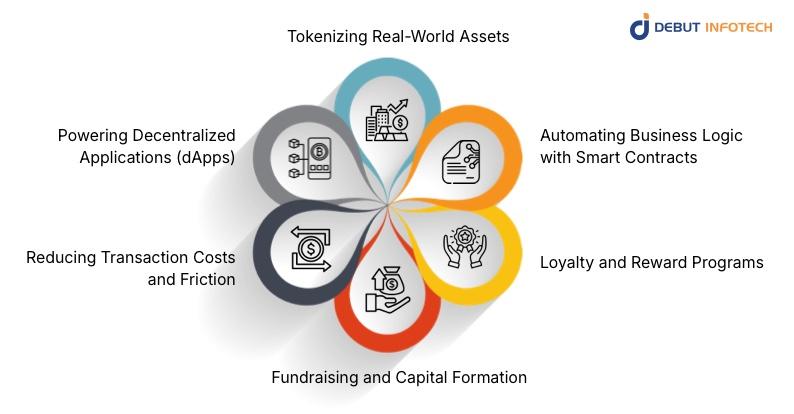
ERC20 tokens are not mere experiments of technology; it is a real tool that businesses can use to address real problems.
Organizations, both startups and established businesses, are building ERC20 token to open new options to owning, trading and automating value on the Ethereum blockchain.
Here are some of the most common ways they’re used in the real world.
ERC20 tokens can be a representation of a business as a physical or digital asset, such as real estate, artwork, or commodity.
This simplifies asset division, trade, and transfer, typically at a cheaper cost of creating tokens than in the conventional financial model.
Since ERC20 tokens are based on Ethereum, they are able to interoperate with smart contracts.
This enables companies to automate such processes as:
These systems do not need to be operated manually once installed.
Many brands use ERC20 tokens to reward customer engagement.
Rewards can be transferred, redeemed, or even exchanged by using tokens instead of being locked into one platform, and this allows the user greater flexibility and openness.
ERC20 tokens are commonly used in fundraising models like ICOs and tokenized offerings.
They enable projects to fund capital sources around the world as well as provide contributors with in-chain evidence of involvement and ownership.
The transfer of tokens can be cheaper and quicker than the use of traditional systems.
This implies reduced intermediaries, reduced administrative expenses, and shorter settlement periods in the case of businesses.
Decentralized applications are frequently based on the ERC20 tokens.
They’re used for:
Due to this flexibility ERC20 is the most used standard of token on Ethereum.
Creating an ERC20 token is not always straightforward, but to create one that is secure, scalable, and consistent with business objectives, it takes much more than code to be deployed.
What makes the difference between successful token projects and others is understanding the entire token lifecycle, including the idea, deployment, and continued administration.
Before you jump into code, pause for a moment.
Most teams rush straight to development when they decide to create an ERC20 token but the real work starts before the smart contract is written.
Here’s what you should have clearly defined first:
Ask yourself why the token exists at all. Is it driving up an infrastructure, or granting access, or rewarding users, or facilitating governance? A token that does not have a practical use case does not last long.
This is where many projects succeed or fail.
You’ll need to define:
The crypto tokenomics should be planned in a way that it does not harm trust, adoption, and long-term value.
Expert insight:
Over 60% of failed token projects collapse due to weak tokenomics, not faulty smart contract code.
Before deployment, decide:
Every option has an effect on cost, security and flexibility.
It is not a free process to create an ERC20 token. Plan for:
Skipping this step often leads to rushed launches and avoidable risks.
Getting these prerequisites right ensures that the steps to create an ERC20 token go smoothly and safely.
The process of creating an ERC20 token might appear complicated, yet it is easy to break it down into several steps, and even a novice blockchain user can achieve it. Here’s how to approach it, with practical tips from real-world token development services.
Have some thought as to what your token is going to do before you code.
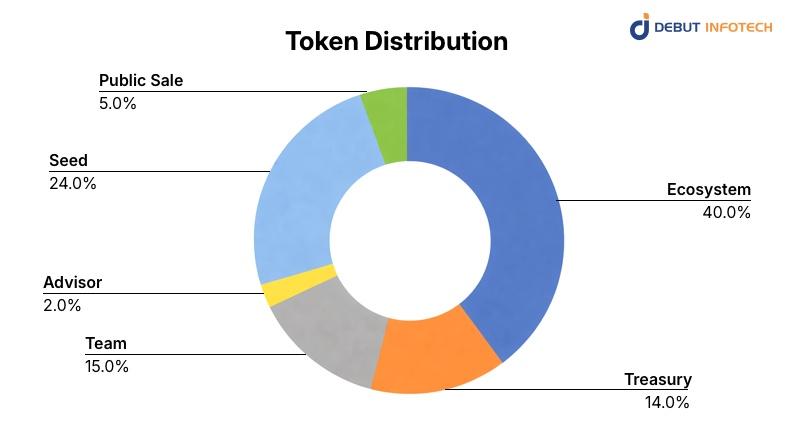
Pro tip: Well-designed tokenomics can make or break adoption. A lot of projects end up failing because their distribution was not considered.
Once your plan is clear, it’s time to set up the tools:
Why OpenZeppelin matters: It is trusted in token development services across services to develop faster and more vulnerable.
Now comes the heart of your token: the smart contract.
The problem with most new token projects is testing.
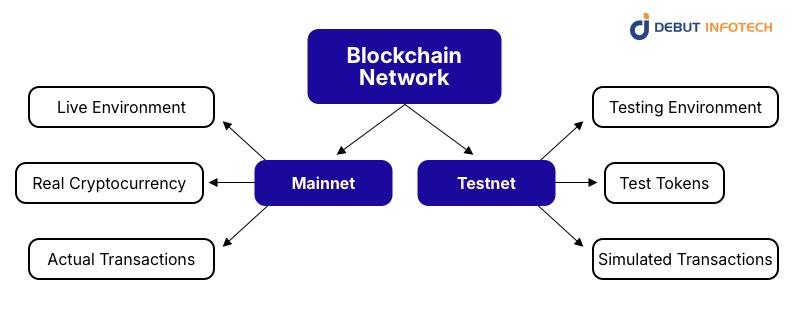
Deployment makes your token live, but it comes with considerations:
Typical ERC20 deployment gas costs (2026 estimates):
| Deployment Type | Estimated Gas Cost (ETH) | Approx. USD Range |
| Basic ERC20 token | 0.02 – 0.05 ETH | $50 – $150 |
| ERC20 with mint/burn logic | 0.04 – 0.08 ETH | $100 – $300 |
| Upgradeable ERC20 (proxy) | 0.06 – 0.12 ETH | $150 – $350 |
Security is non-negotiable. A single flaw can drain liquidity overnight.
Real-life experience: The reason that some rug pulls occurred in 2024 was due to the lack of auditing of mint functions. This can be avoided by a proper audit by reputed token development services.
Finally, get your token into circulation responsibly.
Pro tip: Vesting is a way to build trust and avoid abrupt dumping that may frighten investors.
Knowing how to create an ERC20 token is news to be excited about, yet to make a token work requires more than just an execution of a smart contract.
From smart contract decisions to long-term maintenance, the right expertise can save time, reduce risk, and prevent costly mistakes.
Debut Infotech is recognized as a leading token development company, supporting startups and enterprises through every phase of ERC20 token creation. With deep expertise in smart contracts, security best practices, and regulatory awareness, our team focuses on building tokens that are stable, compliant, and ready to scale.
Ready to move forward? Talk to Debut Infotech today and turn your token idea into a scalable blockchain solution.
Yes, ERC-20 is the standard of token creation, which runs on the Ethereum network, which sets the regulations of fungible tokens so that they become interchangeable and compatible between wallets and dApps in the Ethereum system. Instead of having their own blockchains, ERC-20 tokens are built using smart contracts on Ethereum and use its network for transactions and gas fees (paid in ETH).
No, ERC-20 is not the same as ETH.
ERC-20 is a standard of generating tokens on the Ethereum network. It establishes standards of fungible tokens that can be used in any wallet and compatible across the decentralized apps (dApps).
Unlike ETH, ERC-20 tokens don’t have their own blockchain. They are developed with smart contracts on Ethereum and use the Ethereum network to execute the transactions.
All transaction fees, called gas fees, are paid in ETH, even when sending or using ERC-20 tokens.
Yes! You can create your own token using no-code platforms on Ethereum or BNB Chain, or build custom smart contracts for full control. Start by defining your token’s purpose, choosing a blockchain, and checking legal requirements before launch.

Our Latest Insights
USA
2501 Chatham, Rd Suite R Springfield, IL 62704
+1-708-515-4004
info@debutinfotech.com
UK
7 Pound Close, Yarnton, Oxfordshire, OX51QG
+44-770-304-0079
info@debutinfotech.com
Canada
154 Eden Oak Trail, Kitchener, ON N2A 0H9
+1-708-515-4004
info@debutinfotech.com
INDIA
Sector 101-A, Plot No: I-42, IT City Rd, JLPL Industrial Area, Mohali, PB 140306
9888402396
info@debutinfotech.com