ON THIS PAGE
Progress0%






Our Global Presence :


Once again, the entire internet is experiencing some major changes. For years, big platforms have controlled everything from one central location. Now, a new model prioritizes ownership, openness, and direct user participation. Web3 Integration is at the heart of this change. It combines blockchain-based technologies with current digital infrastructure to make the internet more decentralized.
We are now putting theory into practice in the actual world. Companies are no longer wondering if decentralization is important; they are now trying to figure out how to do it right. Web3 Integration is becoming a useful way to build strong, trust-based digital ecosystems across finance, gaming, and supply chains.
Learning the process that led us to this point is helpful before jumping into execution. Web3 Integration is becoming more popular because of the path that led from early internet models to decentralized systems.
Web2 made things easier and bigger. But it also came with a big trade-off: people lost control of their data to central groups.
Decentralization is a new part of Web3 evolution that uses blockchain technology. Networks don’t depend on a central authority. Instead, they work through dispersed systems where:
Web3 Integration is necessary because it connects standard systems with decentralized frameworks.
At its most basic level, Web3 Integration means adding blockchain-based features to existing apps, platforms, or business processes.
This includes:
Web3 Integration lets businesses grow over time without having to completely replace their current systems.
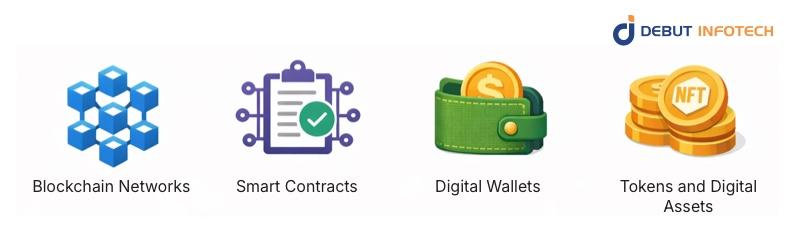
We need to break down the main parts of Web3 Implementation to see how it works in real life.
Blockchain technology is the backbone. It stores information in a decentralized, unchangeable ledger.
Some of the most popular blockchain platforms are:
Each platform offers different capabilities in terms of scalability, cost, and speed.
Smart contracts are programs that run autonomously and are stored on the blockchain. They make agreements without using middlemen.
Use cases include:
They are important to how Web 3.0 integrates automation into decentralized systems.
In Web3 ecosystems, wallets are like user IDs.
They make it possible to:
Two of the most common types are MetaMask and Trust Wallet.
Cryptocurrencies fuel decentralized systems. They can represent:
This tokenization model plays a key role in driving Web3 adoption across industries.
A common misconception is that businesses must rebuild everything from scratch. In reality, Web3 Integration works best when layered onto existing systems.
Most organizations adopt a hybrid approach:
| Component | Traditional System | Web3 Layer |
| Data Storage | Centralized databases | Blockchain ledger |
| Authentication | Username/password | Wallet-based identity |
| Payments | Banks/payment gateways | Crypto payments |
| Business Logic | Backend servers | Smart contracts |
This approach allows businesses to maintain performance while adding decentralization where it matters.
Web3 doesn’t work by itself. It communicates via APIs and middleware that enable blockchain networks to interact with regular apps.
Some examples are:
These web3 development tools make it easier to integrate without having to handle a lot of blockchain infrastructure.
Web3 Integration isn’t just a theory; it’s a proven strategy already changing several industries.
Decentralized finance enables:
This reduces the need for middlemen and lowers transaction costs.
Blockchain makes supply chains more transparent.
Some benefits are:
Companies exploring enterprise blockchain solutions are adopting Web3 Integration to make transactions more trustworthy and easier to track.
Web3 gaming introduces true ownership of in-game assets.
Players can:
This model is redefining digital economies.
Healthcare systems use Web3 to:
Decentralization enhances both privacy and accessibility.
Traditional identity systems rely on centralized databases. Web3 enables self-sovereign identity.
Users can:
Here are some of the benefits of integrating Web3 for businesses.
While Web3 integration offers tremendous benefits, organizations must address the challenges it entails.
This is when blockchain experts and web3 development businesses with extensive experience come in.
Not all businesses need to be as decentralized as others. The best way to do things relies on your goals, the industry, and your technical skills.
It’s not only about technology when it comes to Web3 integration; it’s also about getting things done.
Businesses typically need:
That’s why a lot of businesses engage blockchain engineers or work with a trustworthy blockchain development company.
As enterprises go from trying things out to actually doing them, it becomes evident that they require a structured and trustworthy Web3 Implementation. This is where we come in.
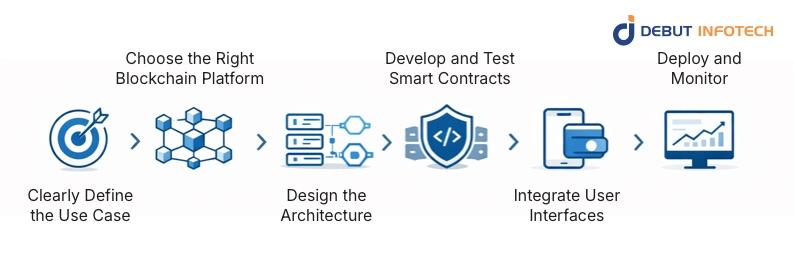
To successfully use Web3, you need more than just technical skills. It needs a defined plan to ensure the proper blockchain solutions align with the business goals.
Don’t start with the technology; start with a specific problem.
Ask:
Clear answers help avoid unnecessary complexity.
Blockchain platforms have different uses, and as such, they differ from one another. Each has trade-offs in speed, cost, and ecosystem support.
| Platform | Strengths | Limitations | Best Use Cases |
| Ethereum | Strong ecosystem, smart contracts | High gas fees | DeFi, NFTs, dApps |
| Polygon | Low cost, scalable | Relies on Ethereum | Gaming, microtransactions |
| Binance Smart Chain | Fast and low fees | Centralization concerns | DeFi apps |
| Solana | High throughput | Network stability issues | High-speed applications |
The decision depends on what you need to do and what you want to achieve in the long run.
A powerful architecture has both Web2 and Web3 elements.
Crucial things to think about:
This is where professional blockchain consultants
can assist you in avoiding making design errors that cost a lot of money.
Smart contracts need to be:
Even little weaknesses can cost a lot of money. Testing should include:
Blockchain shouldn’t be too hard for end consumers to understand.
Pay attention to the following:
Good UI design plays a major role in accelerating Web3 adoption.
After deployment:
Web3 systems need to be constantly improved.
Developers use a wide range of web3 development tools to make integration easier and boost productivity.
Some of the frameworks for core development are:
These tools make it easier to write, test, and deploy smart contracts.
Blockchain interaction libraries include:
They allow applications to communicate with blockchain networks.
Infrastructure providers are:
These services let you access nodes without having to build up the whole infrastructure.
Some wallet integration tools include:
They make it easier to verify users and approve transactions.
Understanding blockchain development cost is essential before starting.
Prices change based on how complicated, big, and what platform it is.
| Project Type | Estimated Cost Range |
| Basic dApp | $20,000 – $50,000 |
| DeFi Platform | $50,000 – $150,000 |
| NFT Marketplace | $40,000 – $120,000 |
| Enterprise Blockchain System | $100,000+ |
These numbers vary based on features and customization.
Businesses often evaluate different integration strategies before making decisions.
| Approach | Advantages | Challenges | Best For |
| Full Decentralization | Maximum transparency, no intermediaries | Complex, higher cost | DeFi, DAOs |
| Hybrid Integration | Balanced performance and control | Requires careful architecture | Enterprises |
| API-Based Integration | Fast implementation | Limited decentralization benefits | Startups, MVPs |
Choosing the right model ensures long-term success.
Security is one of the most critical aspects of Web3 Implementation.
Some of the common risks include:
To combat such risks, the best practices are to:
Security is not optional—it is foundational.
Implementing Web3 successfully often requires collaboration with experts.
Professional web3 development services provide:
This reduces risk and accelerates time-to-market.
Building Web3 solutions internally can be resource-intensive.
Organizations often choose to:
This ensures access to specialized skills and proven methodologies.
As Web3 grows, organizations need more than simply good technological execution; they also need a clear plan.
At Debut Infotech, we focus on providing Web3 Integration services that are useful and can grow with your organization. We assist businesses in putting in place decentralized solutions that align with their real-world goals, from design to deployment.
We collaborate with businesses in many other fields to ensure blockchain integration with other systems, whether we’re establishing new decentralized platforms or improving old ones.
Adopting Web3 is not just about innovation—it is about building sustainable digital systems.
Businesses that invest early gain a competitive advantage.
The pace of Web3 adoption is increasing across industries. Watch out for these key trends:
Web3 is not replacing the internet—it is reshaping how it operates.
For organizations planning to adopt Web3, a phased approach works best:
This reduces risk while building internal expertise.
While opportunities are significant, mistakes can be costly.
Avoid:
Strategic planning is essential.
Web3 Integration is no longer an experimental concept—it is becoming a core part of digital transformation strategies. As businesses seek greater transparency, efficiency, and user control, decentralized technologies offer practical solutions that traditional systems cannot match.
At Debut Infotech, we help organizations turn this potential into reality. Through tailored Web3 Integration services, we guide businesses from concept to deployment—ensuring that every solution is scalable, secure, and aligned with long-term goals.
As the decentralized internet continues to evolve, companies that act early will shape the future. With the right strategy, tools, and partners like Debut Infotech, Web3 Implementation can become a powerful driver of innovation and growth.
A. Web3 Integration involves connecting blockchain-based systems with existing applications to enable decentralization, transparency, and user ownership. It matters because it helps businesses reduce reliance on intermediaries, improve security, and create new digital revenue models.
A. Traditional systems rely on centralized servers and authorities, while Web3 operates on decentralized networks. With Web3 Integration, businesses can combine both models—keeping performance benefits while adding transparency, automation, and trust through blockchain.
A. Several industries are already seeing value, including finance (DeFi platforms), supply chain and logistics, gaming and digital assets, healthcare data management, and identity verification systems. Any sector that requires trust, transparency, or secure data sharing can benefit.
A. The main challenges include scalability limitations on some blockchain platforms, regulatory uncertainty, complex user experience for non-technical users, and integration difficulty with legacy systems. Working with experienced blockchain consultants can help address these issues effectively.
A. The blockchain development cost depends on the project scope, features, and platform. A basic solution may start around $20,000, while complex systems like DeFi platforms or enterprise blockchain applications can exceed $100,000.
A. No. Most organizations adopt a hybrid approach, integrating Web3 features into existing systems. This allows gradual Web3 adoption without disrupting current operations.
A. Start by identifying a clear use case, selecting suitable blockchain platforms, and working with experienced web3 development companies. Many businesses also choose to hire experienced blockchain developers to ensure proper implementation and scalability.

Our Latest Insights
USA

2501 Chatham, Rd Suite R Springfield, IL 62704
+1-708-515-4004
info@debutinfotech.com
UK

7 Pound Close, Yarnton, Oxfordshire, OX51QG
+44-770-304-0079
info@debutinfotech.com
Canada

154 Eden Oak Trail, Kitchener, ON N2A 0H9
+1-708-515-4004
info@debutinfotech.com
INDIA

Sector 101-A, Plot No: I-42, IT City Rd, JLPL Industrial Area, Mohali, PB 140306
9888402396
info@debutinfotech.com

9001:2015
Quality Certified

ISO 27001
Security Certified

A+ Rating
Accredited Business

Certik
Security & Audit


Copyright © 2026, Debut Infotech. All rights reserved. | Privacy Policy