











Milestones We've Achieved
12+
AI Models & Frameworks Deployed
2-4x
Faster Time-to-Market via Pre-Trained AI Models
50%
Reduction in Manual Effort via AI Automation
40%
Productive gains via AI Copilots
10+
Industries Served with AI Solutions
Discover Why AI is Essential to Propel Your Business Forward
The advent of artificial intelligence has revolutionized businesses across all sectors, driving unprecedented innovation, enhancing efficiency, and unlocking new growth opportunities. According to a recent McKinsey & Company report, AI could add up to $4.4 trillion annually to the global economy while increasing labor productivity by 0.1% to 0.6% annually through 2040, with automation contributing an additional 0.2 to 3.3 percentage points. AI's ability to analyze vast amounts of data, automate complex processes, and provide actionable insights makes it an indispensable tool for modern businesses.


Debut Infotech’s AI engineers and solution architects bring deep expertise in enterprise AI development and integration — deploying, fine-tuning, and customizing leading AI models directly into your systems and workflows, helping businesses streamline operations, make smarter decisions, reduce overhead, and achieve measurable, scalable growth.
From AI Pilots to Production — Why Most Enterprise Strategies Break Down?
Most organizations have moved past the question of whether to adopt AI. The challenge now is closing the gap between early-stage pilots and enterprise-grade deployment — where integration complexity, model selection, and system constraints determine whether AI delivers value or stalls indefinitely.

Siloed Data, Broken Integrations
Business-critical information sits across disconnected CRMs, ERPs, and databases with no integration layer connecting it to AI capabilities — limiting what any model can actually do inside your environment.

No Framework for Model Selection
With GPT-4o, Claude, Gemini, and Llama all viable options, choosing the right model requires evaluating your use case, data sensitivity, latency requirements, and compliance constraints. Without that framework, selection defaults to familiarity rather than fit.

Pilots That Never Reach Production
Proof-of-concept results look promising until the engineering complexity of enterprise deployment surfaces — security requirements, system integration, scalability, and governance gaps that were never scoped into the initial build.

AI Integrated Around Technology, Not Workflows
Solutions deployed without mapping to how teams actually operate deliver low adoption and marginal returns. AI that does not fit existing processes does not get used, regardless of technical performance.
Our AI Development & Integration Services
From strategy and consulting to deployment and optimization, our AI development and integration services are built around your business goals, not generic use cases. We integrate the world's leading AI models into your existing systems to deliver solutions that actually perform.

AI Strategy & Advisory
We conduct structured AI readiness assessments, evaluate existing infrastructure, identify viable use cases, and define a prioritized implementation roadmap. Engagements include model selection guidance, build-vs-integrate analysis, and ROI forecasting aligned to your business objectives and technical constraints.

LLM Fine Tuning & Model Integration
We integrate large language models — including GPT-4o, Claude, Gemini, and Llama 3 — into client systems via API orchestration, custom middleware, and API-based fine-tuning on domain-specific datasets. Outputs are validated for accuracy, latency, and contextual relevance before production deployment.

AI-Powered Product Development
We architect and build software products with AI integrated at the core, covering requirements analysis, model selection, backend integration, and frontend implementation. Delivered solutions include recommendation engines, intelligent search, predictive analytics modules, and AI-driven workflow components.

AI Chatbot & Virtual Assistants
We develop LLM-powered conversational systems configured for enterprise use cases, including customer support automation, internal helpdesk, and guided workflows. Deployments cover intent classification, context management, fallback handling, and integration with CRM, ERP, and third-party platforms.

RAG & Knowledge Assistants
We implement Retrieval-Augmented Generation pipelines that connect LLMs to structured and unstructured enterprise data sources, including document repositories, databases, and knowledge bases. Systems are configured for accurate retrieval, response grounding, and hallucination reduction in production environments

Agentic AI Development
We design and develop autonomous AI agents capable of multi-step task execution, tool use, and decision-making with minimal human intervention. Agent architectures are built on frameworks such as LangChain and AutoGen and are configured to meet enterprise security, auditability, and reliability requirements.

AI as a Service
We provision and manage AI capabilities on your preferred cloud infrastructure — handling model integration, API configuration, performance monitoring, and updates on your behalf. Clients operate production-grade AI without maintaining in-house AI engineering capacity, with defined SLAs and usage-based scaling built in.

Generative AI Integration & Development
We integrate generative AI models into existing enterprise systems for use cases including document processing, automated content generation, synthetic data creation, and multimodal applications. Integrations are delivered via secure APIs with defined input validation, output controls, and compliance guardrails.
Advanced AI Models We Specialize In
At Debut Infotech, we leverage advanced AI models, including GPT-4o, Claude, Gemini, and Llama 3, to build and deploy customized AI solutions for enterprise clients. Our hands-on integration expertise across these models allows us to select, configure, and implement the right AI for your use case, driving efficiency, automation, and measurable business outcomes.

GPT-4o
Using the GPT-4o API, we build advanced conversational AI systems for customer service automation, internal helpdesk, and intelligent workflow support. The model's multimodal capabilities and high accuracy in language understanding allow us to deliver personalized, context-aware interactions that scale reliably across enterprise touchpoints.

Llama-3
We deploy Llama 3 for enterprise use cases where data privacy and on-premises deployment are priorities. As an open-source model, Llama 3 allows us to configure AI solutions that process sensitive business data without routing it through third-party APIs, making it the right choice for regulated industries and clients with strict data sovereignty requirements.

PaLM-2
We integrate PaLM-2 for natural language processing applications requiring strong multilingual capability and contextual reasoning. The model supports dialogue systems, automated content workflows, and document understanding, and is particularly effective for enterprises operating across multiple languages or regions.

Claude
Utilizing Claude, we ensure real-time content moderation and enhanced decision-making support, maintaining high-quality digital interactions and compliance. The model's nuanced understanding of context streamlines operations and protects brand reputation, proving indispensable for digital communications and maintaining operational integrity.

DALL-E 2
We integrate DALL-E 2 to enable AI-powered visual content generation for marketing, product design, and creative workflows. Businesses can generate unique, on-brand visuals from text prompts, reducing dependency on manual design resources and accelerating content production at scale.

Whisper
We deploy OpenAI's Whisper for speech-to-text and audio transcription applications, supporting multilingual voice interfaces, meeting transcription, call centre analysis, and accessibility features. Its high accuracy across languages and accents makes it reliable for enterprise environments handling diverse audio inputs at scale.

Stable Diffusion
We integrate Stable Diffusion for businesses that require high-volume, customizable image generation, including marketing asset creation, product visualisation, and design prototyping. As an open-source model, it can be deployed privately, giving clients control over generated content and intellectual property without dependence on third-party image APIs

Microsoft Phi-2
We integrate Microsoft Phi-2 to build lightweight, computationally efficient AI applications optimised for environments where processing speed, cost efficiency, and edge deployment matter. Its compact architecture delivers strong reasoning capability without the infrastructure overhead of larger models, making it suitable for embedded applications and resource-constrained enterprise environments.

Google Gemini
We integrate Google Gemini for enterprise applications requiring strong multimodal capability, combining text, image, and data understanding within a single model. Gemini is particularly effective for document intelligence, AI-assisted search, and applications that need to process and reason across multiple content types simultaneously.

Vicuna
We deploy Vicuna for cost-efficient conversational AI applications built on open-source infrastructure. As a fine-tuned variant of LLaMA, Vicuna is suited for organisations that need capable dialogue systems without the API cost structure of proprietary models, particularly for internal tools, prototyping, and controlled enterprise environments.

Mistral
We integrate Mistral for enterprise use cases requiring fast, efficient inference at scale. Its architecture delivers strong language understanding with lower computational cost than larger models, making it well-suited for high-volume applications, real-time processing, and deployments where latency and cost efficiency are primary constraints.

Cursor
We integrate Cursor to enable AI-assisted software development, helping teams write, refactor, and debug code more efficiently. Built on advanced LLM capabilities, Cursor enhances developer productivity through contextual code suggestions and real-time assistance, allowing businesses to accelerate development cycles and deliver high-quality applications faster.
$827 Billion AI Market by 2030. Integration Separates the Leaders from the Laggards.
Every major enterprise is evaluating AI. Few are moving from evaluation to production. The difference is not access to models — it is the engineering discipline to connect AI to real systems, real data, and real workflows without stalling at the implementation layer.
Production-ready AI deployments configured for your existing infrastructure
Model selection and integration aligned to your compliance and security requirements
Measurable outcomes tied to business objectives, not technical benchmarks
AI Success Stories That Delivered Measurable Outcomes

AI-Powered Legal Automation Platform for Immigration Services
40%
Reduction in Consultation Handling Time
80%+
Initial Queries Resolved Automatically
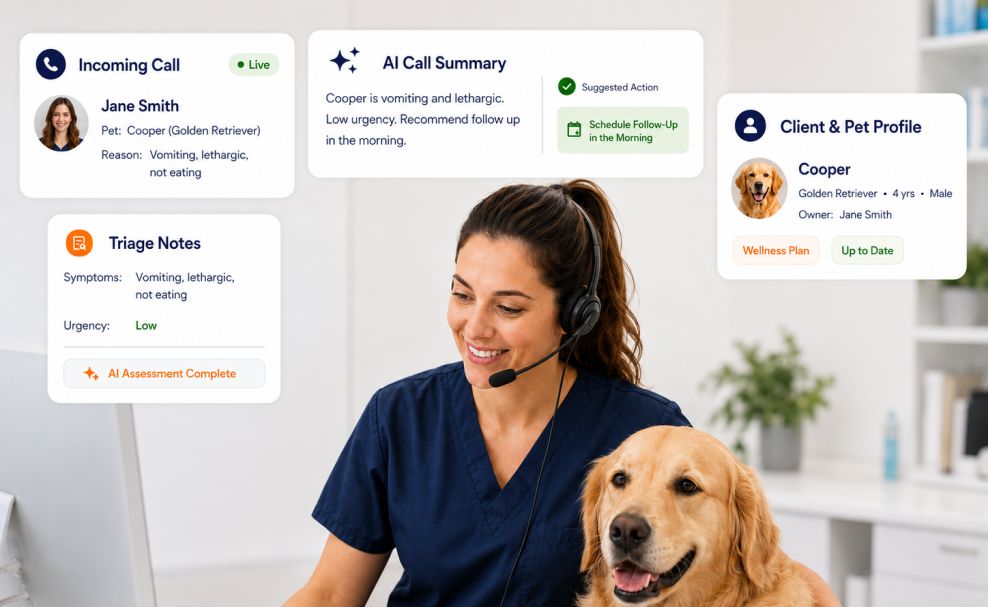
AI-Powered Call Management Solution for a Veterinary Telehealth Platform
Instant
First-Ring AI Response
100%
Inbound Calls Successfully Managed
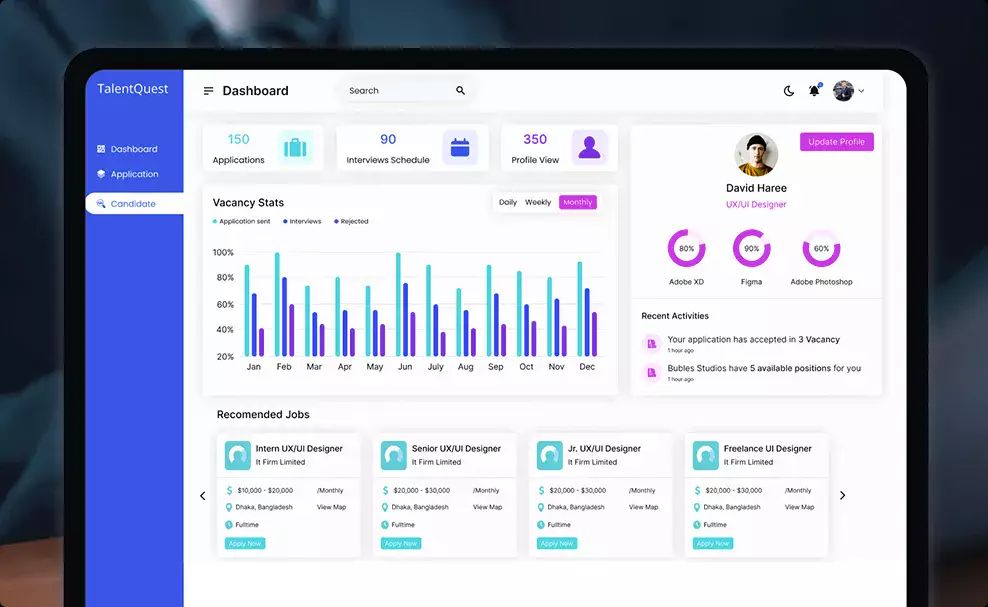
A Deep Learning Solution for Smarter Candidate Search
750,000
candidate matches facilitated
30%
Increase in recruitment efficiency
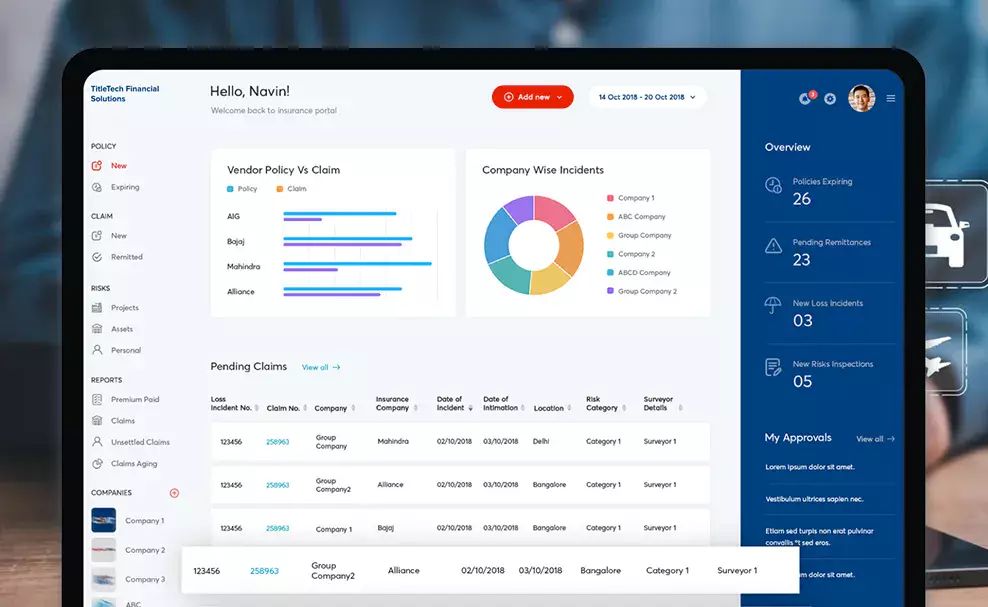
An AI-Powered Solution for Title Insurance Providers
100,000
Processed land deed documents
40%
Increase in extraction accuracy
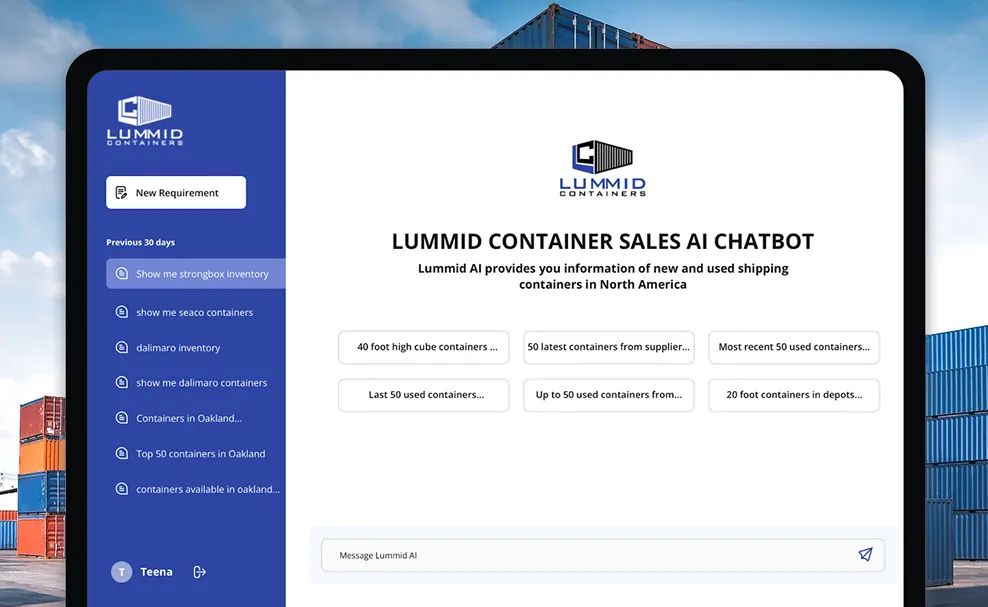
AI-Powered Inventory Automation Platform for Container Supply Networks
35%
Faster quote turnaround
50%
Lower manual workload

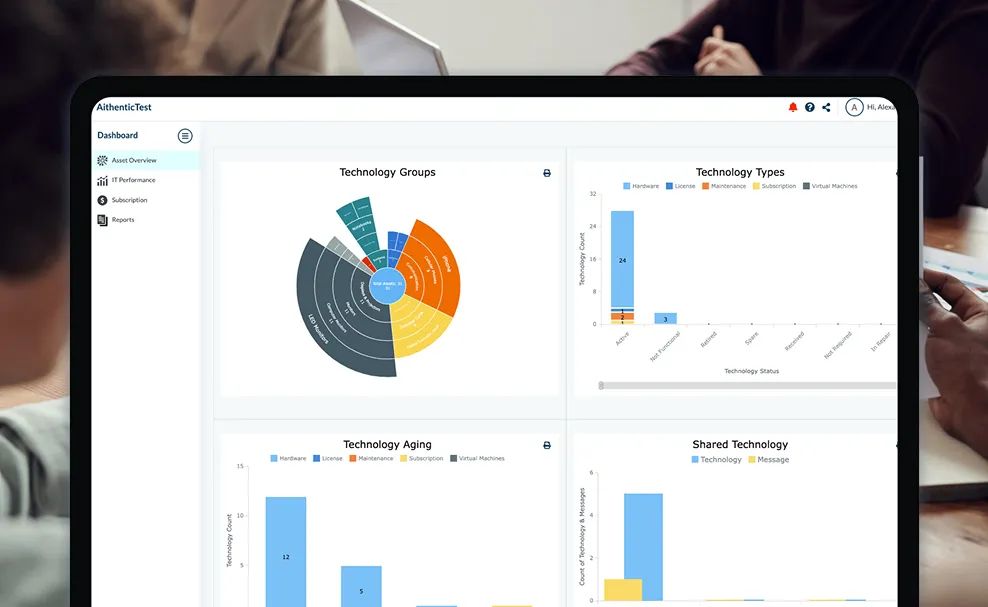
AI-Enabled IT Asset Management Solution for Global Enterprises
10,000+
Assets Managed Per Deployment
85%
Improvement in Asset Tracking Accuracy

AI Use Cases Addressing Real Business Challenges Across Operations
Most AI initiatives stall not because the technology is unavailable, but because the use case is poorly defined. The applications below reflect where AI creates concrete, measurable impact across automation, prediction, personalisation, and decision support. Each use case represents a category of problems we have scoped, built for, and delivered against across B2B organisations.
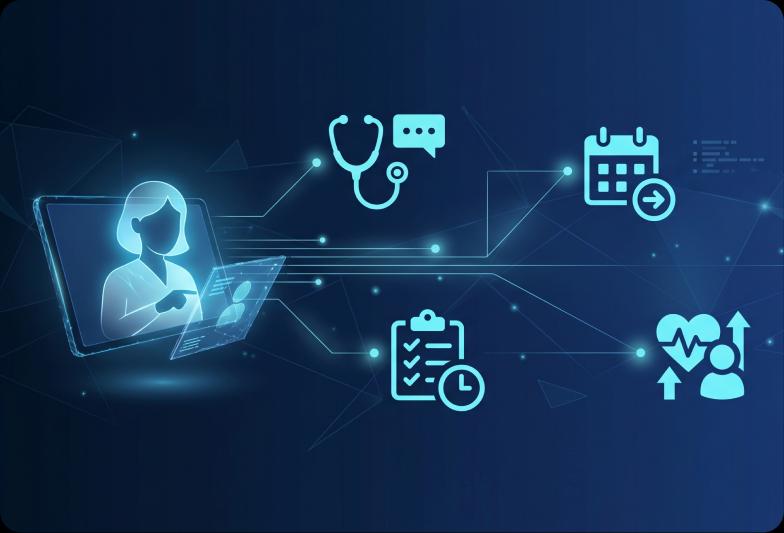
AI-Powered Virtual Health Assistants and Patient Engagement
AI-Powered Virtual Health Assistants and Patient Engagement
Conversational AI built for clinical environments — handling patient communication, intake, follow-up, and care coordination without adding to clinical staff workload.
- Symptom checking, triage routing, and appointment scheduling automation
- Post-discharge follow-up and medication adherence monitoring
- Chronic condition management through personalised care nudges
- Patient intake automation and EHR data capture from conversations
- Multilingual support and accessibility-first conversation design
Deployed where patient communication volume exceeds what clinical teams can manage manually.
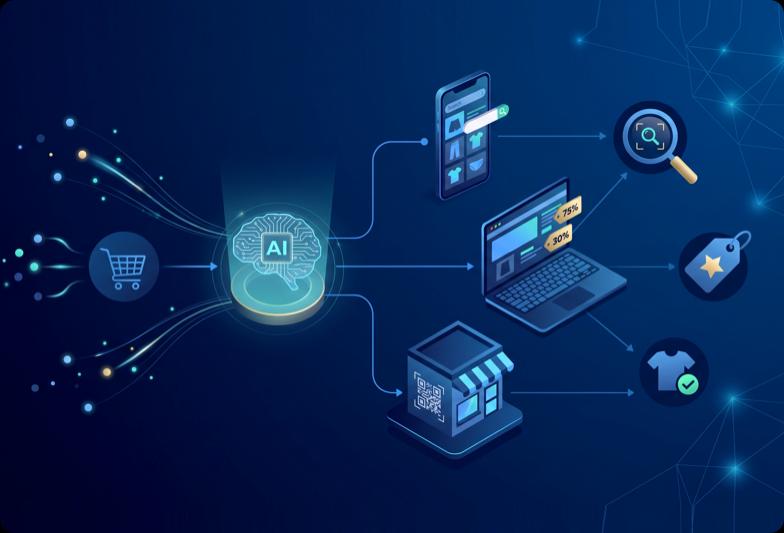
AI-Driven Retail Personalisation and Shopping Intelligence
AI-Driven Retail Personalisation and Shopping Intelligence
Real-time personalisation across every retail touchpoint — from product discovery and search to promotions, pricing, and post-purchase engagement.
- Behavioural personalisation across web, app, and in-store channels
- AI-powered visual search and natural language product discovery
- Dynamic promotion targeting based on purchase intent signals
- Returns reduction through fit prediction and product matching
- Basket abandonment recovery with contextual re-engagement triggers
Suited for retailers where conversion lift and repeat purchase rate define the unit economics.
AI-Powered Virtual Health Assistants and Patient Engagement
Conversational AI built for clinical environments — handling patient communication, intake, follow-up, and care coordination without adding to clinical staff workload.
- Symptom checking, triage routing, and appointment scheduling automation
- Post-discharge follow-up and medication adherence monitoring
- Chronic condition management through personalised care nudges
- Patient intake automation and EHR data capture from conversations
- Multilingual support and accessibility-first conversation design
Deployed where patient communication volume exceeds what clinical teams can manage manually.
AI-Driven Retail Personalisation and Shopping Intelligence
Real-time personalisation across every retail touchpoint — from product discovery and search to promotions, pricing, and post-purchase engagement.
- Behavioural personalisation across web, app, and in-store channels
- AI-powered visual search and natural language product discovery
- Dynamic promotion targeting based on purchase intent signals
- Returns reduction through fit prediction and product matching
- Basket abandonment recovery with contextual re-engagement triggers
Suited for retailers where conversion lift and repeat purchase rate define the unit economics.
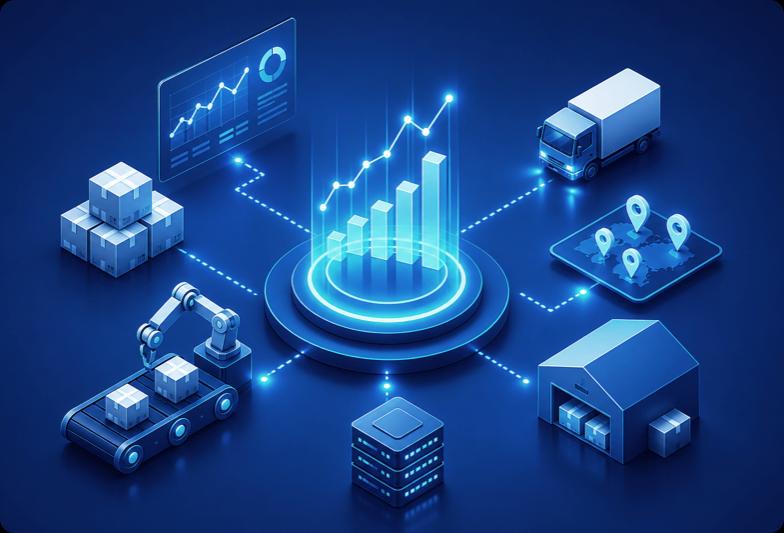
AI-Based Inventory Management and Production Planning
AI-Based Inventory Management and Production Planning
Intelligent planning systems that align production output with real demand — reducing waste, stockouts, and the cost of reactive decision-making across the supply chain.
- Multi-variable demand forecasting across SKUs, channels, and geographies
- Production schedule optimisation against capacity and material constraints
- Supplier lead time modelling and safety stock recalculation in real time
- Waste reduction through expiry-aware inventory positioning
- What-if scenario modelling for demand shocks and supply disruptions
Relevant for manufacturers and distributors where planning gaps translate directly into margin erosion.
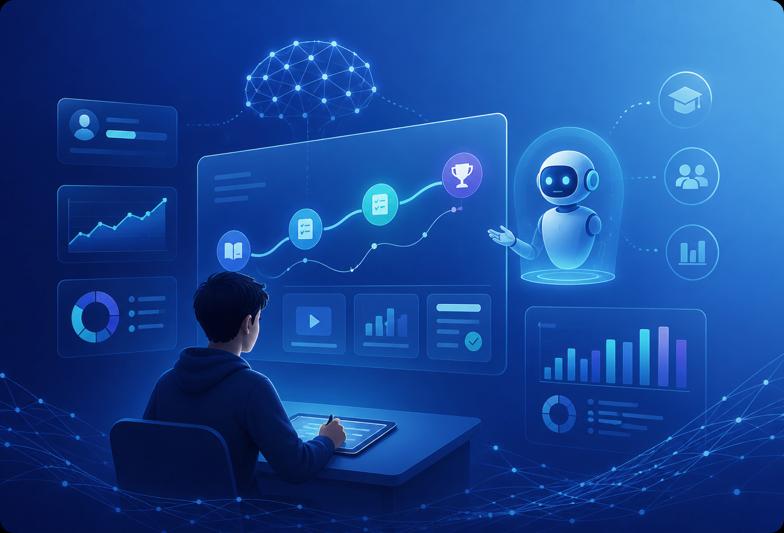
AI-Powered Adaptive Learning and Student Intelligence
AI-Powered Adaptive Learning and Student Intelligence
Personalised learning infrastructure that adjusts to each student's pace, knowledge gaps, and engagement patterns — at a scale no human instructor can replicate alone.
- Adaptive learning path generation based on performance and behaviour data
- Early identification of at-risk students through engagement and assessment signals
- Automated grading, feedback generation, and progress reporting
- AI tutoring assistants for on-demand academic support outside classroom hours
- Institutional analytics for curriculum effectiveness and cohort performance
Applicable for EdTech platforms and institutions where personalisation at scale determines learning outcomes.
AI-Based Inventory Management and Production Planning
Intelligent planning systems that align production output with real demand — reducing waste, stockouts, and the cost of reactive decision-making across the supply chain.
- Multi-variable demand forecasting across SKUs, channels, and geographies
- Production schedule optimisation against capacity and material constraints
- Supplier lead time modelling and safety stock recalculation in real time
- Waste reduction through expiry-aware inventory positioning
- What-if scenario modelling for demand shocks and supply disruptions
Relevant for manufacturers and distributors where planning gaps translate directly into margin erosion.
AI-Powered Adaptive Learning and Student Intelligence
Personalised learning infrastructure that adjusts to each student's pace, knowledge gaps, and engagement patterns — at a scale no human instructor can replicate alone.
- Adaptive learning path generation based on performance and behaviour data
- Early identification of at-risk students through engagement and assessment signals
- Automated grading, feedback generation, and progress reporting
- AI tutoring assistants for on-demand academic support outside classroom hours
- Institutional analytics for curriculum effectiveness and cohort performance
Applicable for EdTech platforms and institutions where personalisation at scale determines learning outcomes.
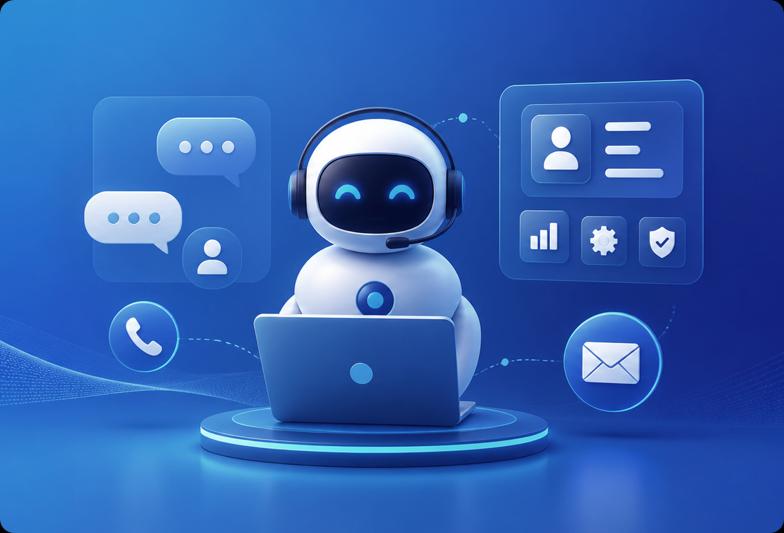
AI Agents for Customer Support and Service Automation
AI Agents for Customer Support and Service Automation
Autonomous AI agents that handle the full support interaction lifecycle — from first contact and query resolution to escalation, follow-up, and feedback capture.
- Intent classification and entity extraction for accurate first-response resolution
- Multi-turn conversation handling with session memory and context continuity
- CRM and helpdesk integration for real-time customer data access during interactions
- Intelligent escalation routing based on sentiment, urgency, and query complexity
- Post-interaction summarisation and automatic ticket documentation
Designed for support operations where resolution speed and deflection rate directly affect cost and satisfaction scores.
AI-Driven Game Intelligence and Player Experience Optimisation
AI-Driven Game Intelligence and Player Experience Optimisation
Adaptive AI systems that make games more engaging, fair, and personalised — across NPC behaviour, matchmaking, anti-cheat, and player lifecycle management.
- Dynamic difficulty adjustment based on real-time player skill and behaviour profiling
- AI-powered NPC behaviour modelling for non-repetitive, context-aware interactions
- Matchmaking optimisation using skill, latency, and session history signals
- Anti-cheat detection through behavioural anomaly recognition at session level
- Player churn prediction and re-engagement trigger modelling across game lifecycle
Suited for gaming studios and platforms where player retention and session depth define long-term revenue.

AI Agents for Customer Support and Service Automation
Autonomous AI agents that handle the full support interaction lifecycle — from first contact and query resolution to escalation, follow-up, and feedback capture.
- Intent classification and entity extraction for accurate first-response resolution
- Multi-turn conversation handling with session memory and context continuity
- CRM and helpdesk integration for real-time customer data access during interactions
- Intelligent escalation routing based on sentiment, urgency, and query complexity
- Post-interaction summarisation and automatic ticket documentation
Designed for support operations where resolution speed and deflection rate directly affect cost and satisfaction scores.
AI-Driven Game Intelligence and Player Experience Optimisation
Adaptive AI systems that make games more engaging, fair, and personalised — across NPC behaviour, matchmaking, anti-cheat, and player lifecycle management.
- Dynamic difficulty adjustment based on real-time player skill and behaviour profiling
- AI-powered NPC behaviour modelling for non-repetitive, context-aware interactions
- Matchmaking optimisation using skill, latency, and session history signals
- Anti-cheat detection through behavioural anomaly recognition at session level
- Player churn prediction and re-engagement trigger modelling across game lifecycle
Suited for gaming studios and platforms where player retention and session depth define long-term revenue.
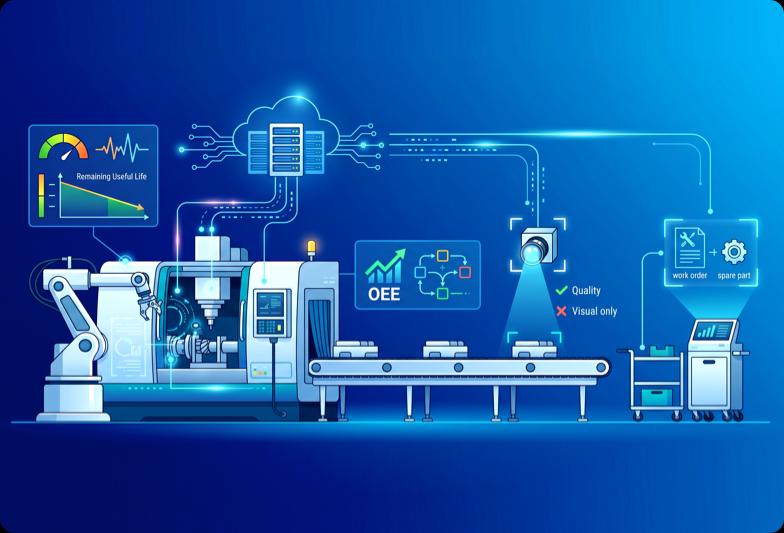
AI-Powered Predictive Maintenance and Manufacturing Intelligence
AI-Powered Predictive Maintenance and Manufacturing Intelligence
Production-floor AI that monitors equipment health, detects failure signals early, and optimises throughput — shifting operations from reactive to anticipatory.
- Real-time sensor data analysis and equipment anomaly classification
- Remaining useful life modelling for critical machinery and tooling components
- Computer vision for inline defect detection and quality classification
- OEE improvement through production scheduling and bottleneck identification
- Maintenance work order automation and spare parts demand forecasting
Configured for manufacturers where unplanned downtime and quality escapes carry direct financial and reputational consequences.
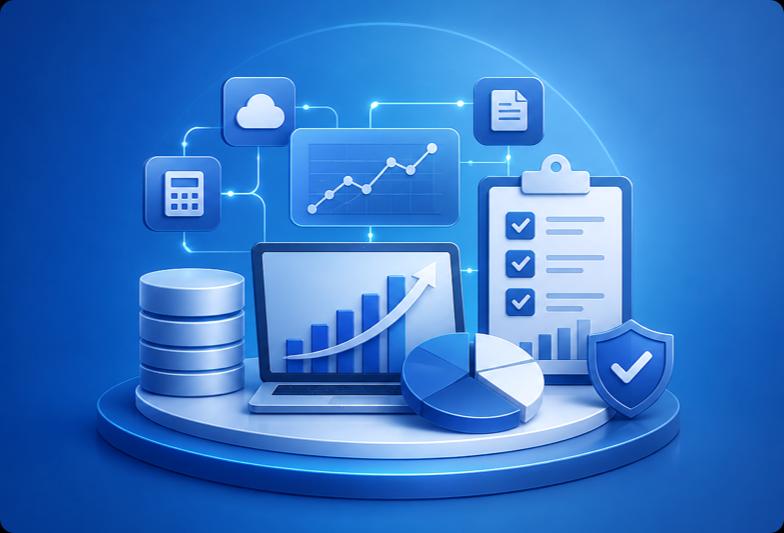
AI-Assisted Financial Reporting and Close Automation
AI-Assisted Financial Reporting and Close Automation
Intelligent automation across the financial reporting cycle — reducing manual effort, improving accuracy, and compressing the time between period close and board-ready output.
- Automated data aggregation across ERPs, ledgers, and reporting systems
- Variance analysis and commentary generation from financial data patterns
- Reconciliation automation and exception flagging across accounts and entities
- Regulatory report generation with audit-ready data lineage tracking
- Forecast vs actuals comparison and rolling forecast update automation
Relevant for finance teams where the close cycle is long, error-prone, and dependent on high volumes of manual consolidation.
AI-Powered Predictive Maintenance and Manufacturing Intelligence
Production-floor AI that monitors equipment health, detects failure signals early, and optimises throughput — shifting operations from reactive to anticipatory.
- Real-time sensor data analysis and equipment anomaly classification
- Remaining useful life modelling for critical machinery and tooling components
- Computer vision for inline defect detection and quality classification
- OEE improvement through production scheduling and bottleneck identification
- Maintenance work order automation and spare parts demand forecasting
Configured for manufacturers where unplanned downtime and quality escapes carry direct financial and reputational consequences.
AI-Assisted Financial Reporting and Close Automation
Intelligent automation across the financial reporting cycle — reducing manual effort, improving accuracy, and compressing the time between period close and board-ready output.
- Automated data aggregation across ERPs, ledgers, and reporting systems
- Variance analysis and commentary generation from financial data patterns
- Reconciliation automation and exception flagging across accounts and entities
- Regulatory report generation with audit-ready data lineage tracking
- Forecast vs actuals comparison and rolling forecast update automation
Relevant for finance teams where the close cycle is long, error-prone, and dependent on high volumes of manual consolidation.
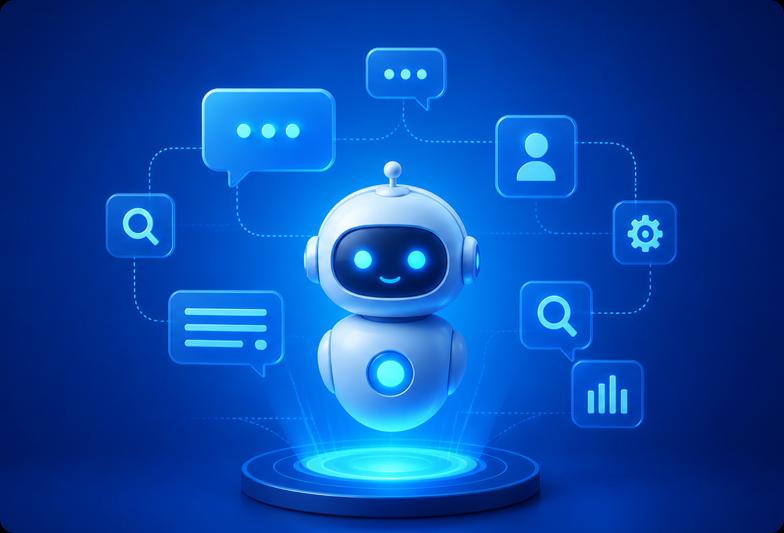
AI-Powered Conversational Agents and Query Automation
AI-Powered Conversational Agents and Query Automation
Domain-trained conversational AI that resolves complex, multi-turn queries with accuracy and context — reducing escalation rates and support costs without degrading experience.
- Retrieval-augmented generation (RAG) for grounded, hallucination-resistant responses
- Multi-turn dialogue management with session memory and user context persistence
- Domain-specific intent recognition and entity extraction for structured query handling
- Escalation logic, handoff protocols, and fallback management for unresolved queries
- Continuous learning pipelines from resolved interactions and feedback signals
Designed for products and platforms where query resolution quality directly determines user trust and operational cost.
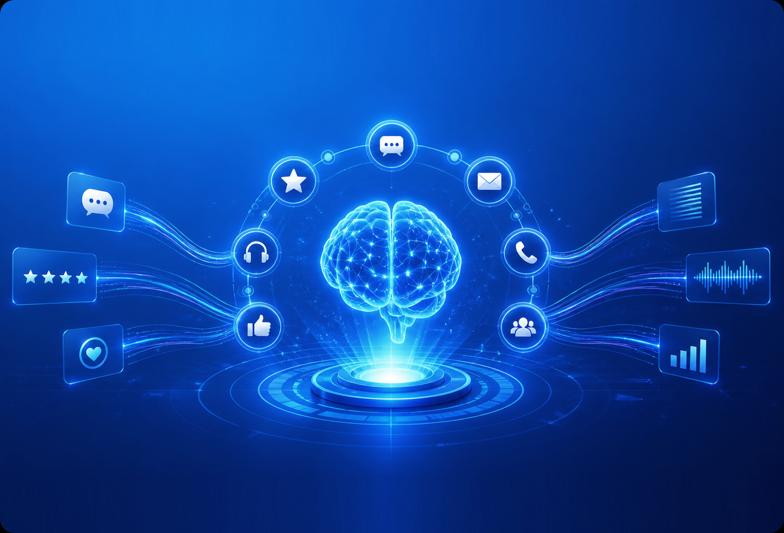
AI-Powered Sentiment Analysis & Voice of Customer Intelligence
AI-Powered Sentiment Analysis & Voice of Customer Intelligence
Continuous customer signal processing across every feedback channel, delivered through custom AI development & integration services, turning unstructured opinions, reviews, and interactions into structured insight that product, marketing, and CX teams can act on.
- Multi-channel sentiment ingestion across reviews, support tickets, social mentions, and call transcripts
- Aspect-level sentiment classification using LLM integration for granular product and service feedback
- Real-time brand perception monitoring and reputation shift alerting
- Customer effort scoring and friction point identification across journey touchpoints
- Trend analysis and sentiment-to-revenue correlation modelling over time
Applicable wherever customer signal accumulates faster than it can be reviewed, categorised, or acted on manually.
AI-Powered Conversational Agents and Query Automation
Domain-trained conversational AI that resolves complex, multi-turn queries with accuracy and context — reducing escalation rates and support costs without degrading experience.
- Retrieval-augmented generation (RAG) for grounded, hallucination-resistant responses
- Multi-turn dialogue management with session memory and user context persistence
- Domain-specific intent recognition and entity extraction for structured query handling
- Escalation logic, handoff protocols, and fallback management for unresolved queries
- Continuous learning pipelines from resolved interactions and feedback signals
Designed for products and platforms where query resolution quality directly determines user trust and operational cost.
AI-Powered Sentiment Analysis & Voice of Customer Intelligence
Continuous customer signal processing across every feedback channel, delivered through custom AI development & integration services, turning unstructured opinions, reviews, and interactions into structured insight that product, marketing, and CX teams can act on.
- Multi-channel sentiment ingestion across reviews, support tickets, social mentions, and call transcripts
- Aspect-level sentiment classification using LLM integration for granular product and service feedback
- Real-time brand perception monitoring and reputation shift alerting
- Customer effort scoring and friction point identification across journey touchpoints
- Trend analysis and sentiment-to-revenue correlation modelling over time
Applicable wherever customer signal accumulates faster than it can be reviewed, categorised, or acted on manually.
Industries We Serve
From financial services and healthcare to manufacturing and logistics, we integrate AI into the systems and workflows that define how your industry operates. Our implementations are configured to your sector's compliance requirements, data environment, and operational constraints — not adapted from a generic template.
AI in Retail and E-Commerce
Increase conversion, reduce returns, and improve customer retention with AI built into your commerce and customer operations.
- Personalized product recommendation engines
- Dynamic pricing and promotion optimization
- AI-powered customer support and returns automation
- Demand forecasting and inventory replenishment
- Sentiment analysis from customer reviews and feedback data
AI in Human Resources
Reduce hiring cycle time, improve candidate quality, and automate routine HR processes with AI embedded in your talent operations.
- Intelligent resume screening and candidate ranking
- AI-powered interview scheduling and coordination automation
- Employee onboarding workflow automation
- Sentiment analysis for engagement and retention monitoring
- HR helpdesk automation for internal query resolution
AI in Legal Services
Accelerate document review, improve research accuracy, and reduce operational overhead with AI integrated into your legal workflows.
- Contract review and clause extraction automation
- Legal research assistance powered by large language models
- Document classification and case file organization
- Compliance monitoring and regulatory change tracking
- AI-powered client intake and matter management support
AI in Logistics and Supply Chain
Improve delivery accuracy, reduce operational costs, and increase supply chain visibility with AI integrated across your logistics infrastructure.
- Route optimization and real-time delivery tracking
- Demand forecasting and inventory management automation
- Warehouse picking optimization and slotting intelligence
- Supplier risk monitoring and procurement analytics
- AI-powered freight planning and capacity utilization
AI in Real Estate
Streamline property transactions, improve client matching, and automate document workflows with AI integrated into your real estate operations.
- AI-powered property valuation and market analysis
- Intelligent lead qualification and client matching
- Automated lease and contract document processing
- Virtual property tour assistance and buyer support chatbots
- Predictive analytics for investment and pricing decisions
AI in Education
Deliver personalized learning experiences and reduce administrative burden with AI integrated into your education platforms and institutional workflows.
- Adaptive learning path generation for individual students
- Automated grading and performance assessment tools
- AI-powered student support and tutoring assistants
- Administrative workflow automation for institutions
- Early intervention systems for at-risk student identification
AI in Media and Entertainment
Personalize content delivery, automate production workflows, and improve audience engagement with AI built into your media operations.
- Content recommendation and audience personalization engines
- Automated video transcription, tagging, and metadata generation
- AI-powered content moderation at scale
- Audience sentiment analysis and engagement forecasting
- Generative AI tools for content ideation and production support
AI in Manufacturing
Reduce unplanned downtime, improve quality control, and optimize production throughput with AI embedded in your manufacturing operations.
- Predictive maintenance and equipment failure detection
- Computer vision for real-time quality inspection and defect classification
- Production scheduling and demand forecasting automation
- Supply chain visibility and inventory optimization
- Automated reporting and operational performance analytics
AI in Banking and Finance
Strengthen fraud detection, automate compliance workflows, and deliver intelligent customer experiences with AI integrated into your financial infrastructure.
- Real-time fraud detection and transaction anomaly monitoring
- AI-powered credit scoring and risk evaluation engines
- Intelligent customer support and query automation
- Regulatory compliance monitoring and reporting assistance
- Predictive analytics for lending, investment, and risk decisions
AI in Telecommunications
Reduce churn, automate customer operations, and improve network reliability with AI integrated into your telecom systems and service workflows.
- Predictive network fault detection and proactive resolution
- AI-powered customer churn prediction and retention workflows
- Intelligent virtual assistants for customer support automation
- Network traffic analysis and capacity optimization
- Sentiment analysis from support interactions and call recordings
AI in Healthcare
Reduce administrative burden, improve diagnostic support, and enhance patient engagement with AI embedded in your clinical and operational workflows.
- Ambient clinical documentation and medical coding assistance
- AI-powered diagnostic support and medical imaging analysis
- Intelligent patient intake, triage, and care coordination
- Virtual health assistants for patient communication and follow-up
- Predictive analytics for readmission risk and resource planning
AI in Automotive
Improve vehicle performance monitoring, driver experience, and operational efficiency with AI integrated into your automotive systems and platforms.
- Predictive maintenance and remote diagnostics for vehicle fleets
- AI-powered driver assistance and safety monitoring systems
- Natural language voice interfaces for in-vehicle interaction
- Demand forecasting for parts inventory and service operations
- Computer vision for manufacturing quality inspection and defect detection
Why Choose Debut Infotech as Your AI Development and Integration Partner?
Enterprises are not struggling to access AI. They are struggling to make it work inside real systems. The difference between experimentation and measurable outcomes lies in how AI is connected to data, embedded into workflows, and governed at scale. At Debut Infotech, we focus on operational AI systems — solutions that integrate, execute, and sustain performance under real business conditions.


Established Engineering Expertise
Active in software and technology delivery since 2011, with experience building and scaling enterprise systems across multiple technology cycles. This foundation ensures our AI implementations follow structured engineering practices, not experimental approaches.
Production-Proven AI Systems
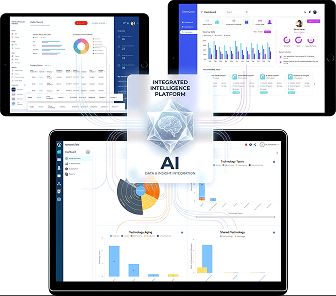
Delivered AI systems across recruitment, real estate, and IT operations, including platforms such as TalentQuest, TitleTech, and Aithentic. These systems operate in real environments, supporting decision-making, automation, and operational efficiency. (Real deployments. Real users. Real outcomes.)
Unified AI and Blockchain Capability
Delivered AI and blockchain systems through a single engineering team, enabling seamless integration across intelligent automation and decentralized infrastructure.
AI-driven compliance and fraud detection for blockchain platforms
Intelligent analytics layered on tokenization and exchange systems
Unified architecture without dependency on multiple vendors
Delivered AI and blockchain systems through a single engineering team, enabling seamless integration across intelligent automation and decentralized infrastructure.
AI-driven compliance and fraud detection for blockchain platforms
Intelligent analytics layered on tokenization and exchange systems
Unified architecture without dependency on multiple vendors
Compliance-Ready AI Architecture
AI systems designed to operate within regulatory and enterprise governance frameworks across industries such as finance, healthcare, and legal.
Data lineage and audit logging integrated into system design
Privacy-focused data handling across pipelines and APIs
Explainability layers for transparency and regulatory review
Access control and governance mechanisms embedded at system level
Compliance is built into the architecture, not added later.
End-to-End AI Implementation
Complete AI system delivery across data, model, and application layers without reliance on external vendors.
Data pipeline design and preparation
Model selection, RAG system development, and orchestration
API integration with enterprise systems
Frontend and user interface development
We build systems that integrate, execute, and scale.
Long-Term Optimization and Support
AI systems evolve as data, usage, and business requirements change. We provide continuous support to maintain performance and relevance.
Model monitoring and performance tracking
Prompt and retrieval optimizatio
Workflow refinement and system enhancements
Ongoing scaling and capability expansion
AI systems improve over time, delivering sustained value.
AI Infrastructure & Integration Stack Powering Enterprise Deployments
We architect and deploy AI systems using proven integration frameworks, orchestration layers, APIs, and infrastructure designed for real-world business environments. Our stack is selected based on integration complexity, data sensitivity, latency requirements, and long-term maintainability, not experimentation.
LLM Integration & API Layer

OpenAI API

Anthropic API

Google AI (Gemini)

Azure OpenAI

Cohere API

Mistral API
Why we use them:
We integrate production-grade language models via secure APIs, enabling conversational systems, copilots, and automation workflows without exposing sensitive data or over-engineering model infrastructure.
Agent Frameworks & Orchestration
Retrieval & Knowledge Systems (RAG)
AI Deployment & MLOps Infrastructure
Data Engineering & Pipeline Layer
Cloud & AI Infrastructure
Application & Integration Layer
OpenAI API
Anthropic API
Google AI (Gemini)
Azure OpenAI
Cohere API
Mistral API
Why we use them:
We integrate production-grade language models via secure APIs, enabling conversational systems, copilots, and automation workflows without exposing sensitive data or over-engineering model infrastructure.

LangChain

LlamaIndex

AutoGen

CrewAI

Semantic Kernel

Haystack
Why we use them:
These frameworks allow us to design multi-step AI workflows, tool-using agents, and decision systems that interact with APIs, databases, and enterprise software in controlled environments.

Pinecone

Weaviate

FAISS

Chroma

Elasticsearch

Qdrant
Why we use them:
We implement retrieval layers that connect AI to internal knowledge sources, ensuring grounded responses, reduced hallucination, and auditability across enterprise use cases.

MLflow

Kubeflow

AWS SageMaker

Google Vertex AI

Docker

Kubernetes
Why we use them:
We use these tools to deploy, version, monitor, and scale AI systems reliably, ensuring production stability, rollback capability, and lifecycle governance.

Apache Spark

Apache Airflow

Apache Kafka

Pandas

Apache Flink

Snowpipe
Why we use them:
AI performance depends on data readiness. We build pipelines for data ingestion, transformation, streaming, and orchestration across enterprise systems.

AWS

Microsoft Azure

Google Cloud Platform

Snowflake

Databricks

BigQuery
Why we use them:
We deploy AI within secure, compliant cloud environments that support scalability, data residency, and enterprise-grade access control.

Python

Node.js

FastAPI

React

REST APIs

GraphQL
Why we use them:
This layer connects AI to real systems — CRMs, ERPs, internal tools, and user interfaces — ensuring adoption and operational usability.
Proven AI Expertise. Production-Grade Implementation. Measurable Business Impact.
Delivering AI that performs in production requires more than selecting the right model — it demands architectural precision, deep integration capability, and an implementation partner who owns the outcome end to end. Our custom AI development services are built around your business environment, not adapted from a reusable playbook.
Implementations scoped against your data environment, compliance exposure, and integration constraints
Large language model integration designed for accuracy, latency, and real-world load
Every engagement backed by post-deployment monitoring and continuous optimisation


Traditional Software vs AI-Integrated Systems: What Actually Changes
Most organizations evaluating AI are not replacing software — they are fundamentally upgrading how systems operate. The shift is from static tools to intelligent systems that can make decisions, adapt to data, and integrate seamlessly into business workflows. This transformation defines how modern enterprises scale efficiency and maintain a competitive edge.
| Capability | Traditional Software | AI-Integrated Systems |
|---|---|---|
| User Interaction | Static Static interfaces with predefined inputs | Adaptive Conversational, context-aware, and adaptive interfaces |
| Decision Execution | Rule-based Rule-based, manual workflows | Automated Automated, predictive, and continuously improving decisions |
| Data Utilization | Limited Structured data only, limited analysis | Comprehensive Processes structured and unstructured data at scale |
| Operational Efficiency | Manual Dependent on manual intervention | AI-Driven AI-driven automation reduces effort and turnaround time |
| System Integration | Siloed Siloed systems with limited interoperability | Connected Deep integration across CRM, ERP, APIs, and workflows |
| Scalability | Linear Requires a proportional increase in resources | Intelligent Scales intelligently with data and usage patterns |
| Learning Capability | None No learning from past data | Continuous Continuously improves using feedback loops and data patterns |
| Response Time | Delayed Delayed, human-dependent | Real-time Real-time or near real-time decision-making |
| Cost Structure | High High operational cost over time | Optimized Reduced cost through automation and optimization |
| Error Handling | Reactive Reactive error detection | Proactive Proactive anomaly detection and prevention |
| Customer Experience | Generic Generic and uniform interactions | Personalized Personalized, context-driven experiences |
| Governance & Compliance | Manual Manual monitoring and reporting | Built-in Built-in audit trails, monitoring, and compliance controls |
The Minds Behind Enterprise AI Transformation

We've stepped into enough AI initiatives mid-stream to understand exactly where things start to fail. Use cases that were never prioritized against business impact. Data pipelines that weren't production-ready. AI models that performed in isolation but failed in real-world operations. The approach we follow today is shaped by solving these gaps — helping enterprises move from experimentation to measurable performance, without the inefficiencies that stall most AI programs.
Gurpreet Singh
AI Consultant & Advisor, Debut Infotech
AI Development & Integration Process We Follow To Develop Scalable Solutions
We do not treat enterprise AI implementation as a linear sequence of technical tasks. It is an iterative cycle that moves from business clarity to system architecture, to controlled deployment, and then to continuous performance optimization under real operating conditions.
Step 1: We Start With the Business Problem, Not the Technology
Step 2: We Audit Your Systems and Data Environment
Step 3: We Select the Right Model for Your Use Case
Step 4: We Design the Integration and Solution Architecture
Step 5: We Build, Integrate, and Validate
Step 6: We Deploy to Production With Governance Controls in Place
Step 7: We Optimize Continuously Based on Real Performance Data
Before selecting a model or designing an integration, we establish a precise understanding of where AI creates genuine value inside your business.
➤ Which workflows involve repetitive decision-making, document processing, or pattern recognition that AI can reliably handle?
➤ Where are your teams spending time on tasks that should be automated but have not been?
➤ What data do you have, where does it live, and what systems control access to it?
➤ What does success look like: reduced handling time, higher accuracy, lower cost per interaction, faster response, or something specific to your operation?
We also define constraints upfront: compliance obligations, data residency requirements, latency thresholds, integration complexity, and budget parameters.
This phase regularly surfaces that the core problem is not the absence of AI, but disconnected systems, poorly structured data, unclear workflow ownership, or previous implementations that were never built for production. That clarity shapes every architectural and model selection decision that follows.
AI does not operate in isolation. Before any integration work begins, we map the systems, data sources, and access layers your solution will need to connect with.
➤ Which internal systems, such as CRM, ERP, databases, and document repositories, hold the data your AI needs to function accurately?
➤ How is that data currently structured, and what preparation is required before it can be used?
➤ What APIs, authentication layers, and access controls govern your existing infrastructure?
➤ Where do integration points exist, and where do they create risk or latency?
We also assess data quality, completeness, and volume at this stage. The accuracy of any AI solution is directly determined by the quality of the data it operates on. Identifying gaps early prevents cost overruns and performance failures downstream.
With a clear picture of your business problem and data environment, we evaluate which foundation model or combination of models is the right fit. This is not a default decision.
➤ Does the use case require general-purpose language understanding, domain-specific reasoning, multimodal capability, or fast inference at scale?
➤ Does your compliance posture require on-premises deployment, private cloud hosting, or data residency controls that rule out certain providers?
➤ What are the latency, throughput, and cost requirements across expected usage volumes?
➤ Is API-based fine-tuning on your domain data necessary, or does prompt engineering and RAG deliver sufficient accuracy?
We evaluate GPT-4o, Claude, Gemini, Llama 3, Mistral, and other relevant models against these criteria and produce a documented recommendation with rationale. You understand exactly why a particular model was selected before any build work begins.
Model selection is followed by solution architecture: defining how all components connect, communicate, and operate together inside your environment.
➤ What is the retrieval and orchestration layer: RAG pipeline, vector database, agent framework, or direct API integration?
➤ How does the AI connect to your existing systems via REST APIs, SDKs, middleware, or custom connectors?
➤ What is the prompt engineering and context management strategy for consistent, reliable outputs?
➤ How are security, access control, input validation, and output filtering enforced across the system?
For agentic systems, we define agent roles, tool access, decision boundaries, escalation logic, and human-in-the-loop checkpoints at this stage. Architecture documentation is produced before development begins, not after.
With architecture signed off, development and integration proceed against defined acceptance criteria, not open-ended specifications.
➤ API integrations are built and tested against your live or staging systems to validate data flow, latency, and error handling.
➤ RAG pipelines are configured, retrieval accuracy is measured, and hallucination rates are benchmarked against your acceptable threshold.
➤ Agent workflows are tested across expected and edge-case scenarios to validate decision logic and fallback behaviour.
➤ Output quality is evaluated against the success metrics defined in Phase 1, not against generic AI performance benchmarks.
Nothing moves to production until it has been validated under conditions that reflect real usage patterns, not controlled test environments.
Production deployment is not the end of the engagement. It is where the real performance data begins.
➤ Deployment is staged, starting with a controlled rollout to a subset of users or workflows before full-scale release.
➤ Monitoring is configured from day one, tracking response accuracy, latency, usage patterns, and failure modes in real time.
➤ Access controls, audit logging, and output review mechanisms are in place before any user-facing traffic is routed through the system.
➤ Rollback procedures are defined and tested before go-live, not after an incident.
We also establish governance documentation at this stage, covering model version, integration architecture, data flow, and operational procedures, so your internal teams have full visibility into what is running and why.
An AI solution deployed is not an AI solution finished. Performance degrades as data patterns shift, user behaviour evolves, and business requirements change.
➤ We monitor output quality, retrieval accuracy, and user feedback on a defined cadence and flag performance drift before it becomes a visible problem.
➤ Prompt configurations, retrieval logic, and integration parameters are refined based on real usage data, not assumptions made at the design stage.
➤ Model updates and new capabilities from providers are evaluated for relevance and integrated where they improve outcomes without introducing instability.
➤ Usage patterns are reviewed to identify new automation opportunities or workflow expansions that were not in scope at launch.
Your AI investment compounds over time. Each optimization cycle improves accuracy, expands capability, and reduces the operational overhead your teams carry.
Cost of AI Development and Integration in 2026
Estimated Cost by Project Type
How Project Timeline Impacts Cost?
Compressed timelines require larger cross-functional teams and parallel execution, which increases total development cost.:
Model Selection and Architecture Impact
Ready to Embed AI Into Your Core Business Operations?
Work with an experienced AI integration company that aligns every implementation to your business objectives, compliance requirements, and long-term technology roadmap.

FAQs on AI Development & Integration
What does an AI development company actually build for an enterprise?
An AI development company does not just build models. It builds end-to-end systems where AI operates within real business workflows. This includes integrating models with enterprise data sources, designing APIs and orchestration layers, implementing RAG pipelines, deploying agents, and connecting everything to CRMs, ERPs, and internal tools. The outcome is a production-ready system that automates decisions, processes data, and supports business operations at scale.
What is the difference between AI integration and AI development from scratch?
AI integration focuses on using existing models through APIs and embedding them into business systems. It is faster, cost-efficient, and suitable for most enterprise use cases. AI development from scratch involves building and training custom models, which requires large datasets, specialized infrastructure, and longer timelines. In practice, most enterprises benefit from integration-first approaches, using custom development only when data sensitivity, domain specificity, or performance requirements demand it.
What should I look for when hiring an AI development company?
Focus on execution capability, not just technical knowledge. Key factors include: experience deploying AI in production environments; ability to integrate with existing systems like CRM, ERP, and databases; a structured approach to model selection and architecture design; strong MLOps practices for monitoring and scalability; governance, security, and compliance readiness; and proven experience with RAG, agents, and workflow automation. The right partner builds systems that operate reliably after deployment, not just prototypes.
How is AI development different from traditional software development?
Traditional software follows predefined rules and produces predictable outputs. AI systems operate on data, learn patterns, and generate probabilistic outputs. This introduces new requirements such as data preparation, model evaluation, continuous monitoring, and performance tuning. AI development is also iterative, requiring ongoing optimization based on real-world usage rather than one-time delivery.
What is an AI copilot and how can businesses use one?
An AI copilot is an intelligent assistant embedded within software that helps users perform tasks faster and more accurately. It provides suggestions, automates workflows, retrieves information, and assists in decision-making. Businesses use copilots for customer support automation, internal helpdesk and knowledge access, sales and CRM assistance, and document processing and reporting. Copilots improve productivity by augmenting human workflows instead of replacing them.
What is AI-as-a-Service (AIaaS), and is it suitable for startups?
AI-as-a-Service provides access to AI capabilities through cloud-based APIs without requiring in-house infrastructure or AI teams. It is suitable for startups because it reduces upfront cost, accelerates time-to-market, and allows flexible scaling. Startups can integrate AI features such as chatbots, analytics, or automation while focusing on core product development. As the product matures, AIaaS can be extended or combined with custom components.
How long does it take to develop and deploy a custom AI solution?
Timelines depend on complexity, data readiness, and integration scope. Basic AI integrations can be deployed in 4 to 8 weeks. Mid-level solutions with RAG or automation workflows typically take 8 to 16 weeks. Enterprise-scale systems with multiple integrations and governance layers may take 3 to 6 months or more. The biggest factor is not model development, but system integration, data preparation, and production validation.
What is LLM fine-tuning and when should a business use it instead of prompt engineering?
LLM fine-tuning involves training a model on domain-specific data to improve accuracy and consistency. Prompt engineering uses carefully designed inputs to guide model behavior without modifying the model itself. Businesses should prefer prompt engineering and RAG initially because they are faster and more flexible. Fine-tuning is appropriate when domain accuracy requirements are high, responses must follow strict patterns, or large volumes of similar queries exist. It is typically used after baseline systems are validated.
Can AI be integrated into our existing software without rebuilding from scratch?
Yes. Most enterprise AI systems are implemented through API-based integration layers without replacing existing software. AI can connect to current systems such as CRM, ERP, databases, and internal tools using APIs, middleware, and orchestration frameworks. This allows businesses to enhance capabilities without disrupting existing infrastructure. A full rebuild is rarely required unless legacy systems lack integration capability.
What engagement models does Debut Infotech offer for AI projects?
Debut Infotech offers flexible engagement models aligned to project scope and business needs: Consulting and Strategy Engagements for use case identification and roadmap definition; End-to-End AI Development and Integration for complete system delivery; Dedicated AI Teams for ongoing development and scaling; AI as a Service for managed deployment and operations; and Post-Deployment Optimization and Support for continuous improvement. Each engagement is structured to deliver measurable outcomes, operational stability, and long-term scalability.


