ON THIS PAGE
Progress0%






Our Global Presence :





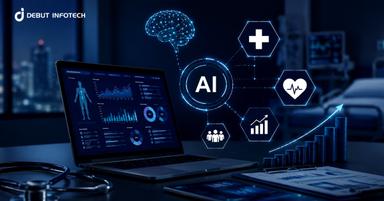
Augmented intelligence keeps clinicians in control by using AI-generated recommendations, predictions, and automation to support, not replace, critical healthcare decisions.
Interoperability and data quality are foundational because FHIR, HL7, APIs, and reliable clinical data enable AI systems to generate timely and relevant insights.
Healthcare use cases span clinical and operational workflows, including clinical decision support, medical imaging, remote patient monitoring, ambient documentation, administrative automation, and drug discovery.
Implementation should begin with a defined clinical or operational problem, followed by data readiness assessment, delivery model selection, interoperability design, model validation, compliance review, and a controlled pilot.
Compliance and security must be designed into the solution from the start, with safeguards such as encryption, audit logging, access controls, de-identification, and appropriate HIPAA and FDA assessments.
Model selection should match the healthcare use case, with organizations evaluating clinical objectives, data availability, explainability, computational requirements, and regulatory considerations rather than defaulting to the newest AI model.
Healthcare AI investment requires ongoing governance and monitoring, including clinician feedback, performance evaluation, security updates, model retraining, and workflow refinement after deployment.
Healthcare organizations are under growing pressure to improve patient outcomes, reduce administrative workload, and deliver faster, more informed clinical decisions.
As a result, the conversation is shifting from artificial intelligence to augmented intelligence in healthcare, a model that emphasizes collaboration between technology and healthcare professionals instead of automation alone. This change reflects a broader industry focus on using intelligent systems to support clinical expertise while preserving the judgment, accountability, and empathy that only people can provide.
Unlike fully autonomous technologies, augmented intelligence keeps clinicians involved in every critical decision, using AI-generated insights to inform rather than replace human expertise. This approach helps healthcare organizations improve efficiency, strengthen patient safety, and build greater trust in AI-driven healthcare solutions.
From clinical decision support and medical imaging to ambient documentation and administrative automation, augmented intelligence is reshaping how care is delivered across the healthcare ecosystem.
This guide explores the technologies behind it, how it works, practical implementation strategies, regulatory and compliance considerations, real-world use cases, and the trends shaping its future.
The healthcare AI market is expanding rapidly as providers and payers invest in technologies that improve clinical decision-making and operational efficiency.
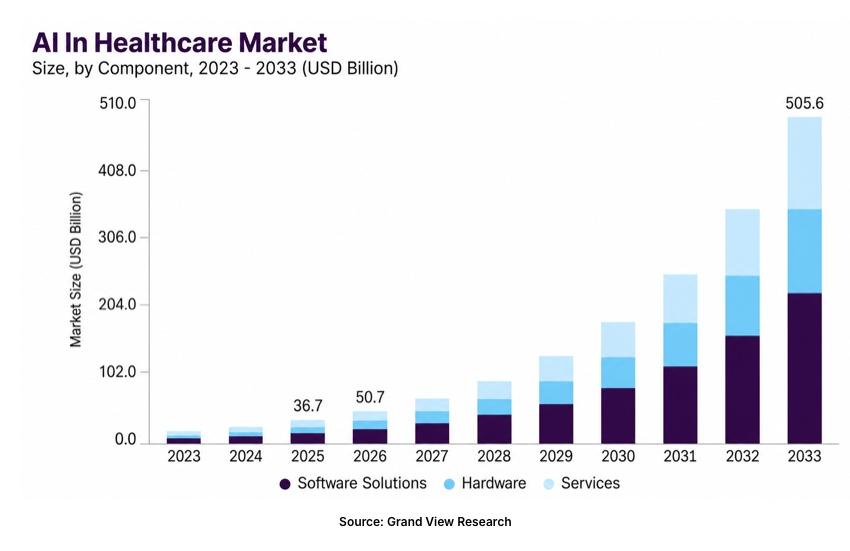
According to Grand View Research, the global healthcare AI market was valued at USD 36.7 billion in 2025 and is projected to expand from 50.7 billion in 2026 to USD 505.6 billion by 2033, growing at a CAGR of 38.9%. In 2025, North America led the market with a dominant 54% revenue share. This growth reflects rising demand for augmented intelligence solutions that enhance, rather than replace, healthcare professionals.
Adoption spans both clinical and administrative functions. Healthcare organizations are implementing augmented intelligence for medical imaging, clinical decision support, predictive analytics, ambient documentation, claims processing, and revenue cycle management.
Industry adoption is also accelerating among clinicians. The American Medical Association (AMA) reports that 66% of physicians used AI in their practice in 2024, up from 38% in 2023, highlighting growing confidence in AI-assisted healthcare tools.
Much of this momentum is driven by augmented intelligence healthcare software technologies that reduce administrative burden while supporting better patient care. The AMA also found that 57% of physicians see automation of administrative tasks as AI’s greatest opportunity.
On the regulatory side, adoption of augmented intelligence in healthcare continues to gain credibility, with the U.S. Food and Drug Administration (FDA) having authorized hundreds of AI-enabled medical devices for marketing in the United States.
Together, these trends point to a healthcare industry increasingly embracing augmented intelligence as a practical tool for improving both clinical and operational outcomes.
Augmented intelligence differs from artificial intelligence by keeping healthcare professionals involved in every critical decision. While both use advanced algorithms to analyze data, augmented intelligence is designed to support clinical judgment rather than replace it, making it better suited to healthcare’s safety, ethical, and regulatory requirements.
Artificial intelligence refers to computer systems capable of performing tasks that typically require human intelligence. These systems learn from data, recognize patterns, make predictions, and in some cases automate decisions with limited human involvement. Healthcare AI includes technologies such as image recognition, predictive modeling, conversational assistants, and diagnostic algorithms.
In contrast, augmented intelligence builds upon these same technologies but changes their role. Rather than replacing clinicians, augmented intelligence is designed to enhance human expertise.
The technology generates recommendations, surfaces relevant information, identifies risks, or automates repetitive tasks while ensuring healthcare professionals remain responsible for reviewing outputs and making final clinical decisions. This collaborative model aligns more closely with healthcare’s ethical, regulatory, and patient safety requirements.
This distinction also affects organizational adoption. Healthcare executives are generally more willing to deploy systems that improve clinician productivity than technologies perceived as replacing clinical judgment.
Physicians likewise tend to trust AI healthcare solutions that explain recommendations, provide supporting evidence, and allow them to override system suggestions whenever necessary.
The defining characteristic of augmented intelligence is the human-in-the-loop principle. A qualified healthcare professional reviews every significant recommendation generated by the system before action is taken.
Human oversight improves clinical accountability, reduces inappropriate automation, and creates opportunities for continuous learning as clinicians provide feedback that helps improve future model performance.
Augmented intelligence vs artificial intelligence in healthcare comparison
| Feature | Artificial Intelligence | Augmented Intelligence |
| Primary objective | Automate tasks | Enhance human decision-making |
| Human involvement | May be limited | Required for critical decisions |
| Explainability | Often lower | Higher emphasis on transparency |
| Clinical accountability | Can become unclear | Remains with clinicians |
| Cost profile | Higher automation investment | Balanced investment in technology and workflows |
| Best use cases | Repetitive automation, prediction | Clinical decision support, diagnostics, documentation |
| Adoption speed | Slower in regulated environments | Faster due to greater clinician trust |
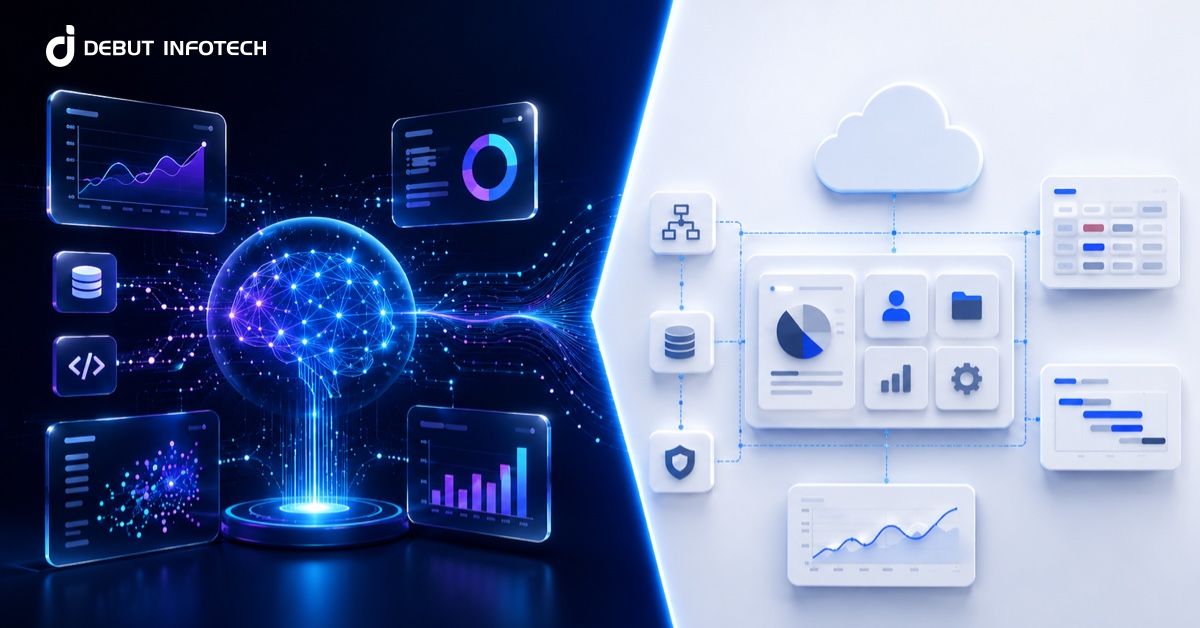
Augmented intelligence in healthcare is powered by several complementary technologies such as natural language processing, machine learning, computer vision, predictive analytics, robotic process automation, clinical decision support engines, and an interoperability layer.
These technologies collect, process, analyze, and exchange clinical data. Together, they generate actionable insights that help clinicians make better decisions, automate routine work, and integrate seamlessly with existing healthcare systems while maintaining human oversight.
Natural language processing (NLP) helps healthcare systems understand unstructured information such as physician notes, discharge summaries, referral letters, and patient conversations.
Combined with ambient documentation, it automatically creates draft clinical notes during consultations.
Clinicians review, edit, and approve every note before it becomes part of the patient’s electronic health record. This reduces documentation time, improves record quality, and allows physicians to focus more on patients instead of administrative tasks.
Predictive analytics and machine learning examine historical and real-time healthcare data to identify patterns and estimate future risks.
Hospitals use these models to predict readmissions, detect sepsis early, prioritize high-risk patients, forecast admissions, and support population health programs. Organizations can also work with specialized providers offering machine learning development services to build and customize models for specific clinical workflows.
Rather than making decisions independently, the models provide evidence-based insights that clinicians use alongside their professional judgment to guide treatment and care planning.
Computer vision analyzes medical images such as X-rays, CT scans, MRIs, mammograms, and pathology slides to detect abnormalities more efficiently. It helps radiologists prioritize urgent cases, measure lesions consistently, and identify findings that require closer review.
Although these systems improve speed and consistency, specialists remain responsible for interpreting results, confirming diagnoses, and determining appropriate treatment based on the patient’s overall clinical condition.
Robotic process automation (RPA) automates repetitive administrative tasks including claims processing, appointment scheduling, eligibility verification, billing, and medical coding.
Software bots perform rule-based activities across multiple systems with greater speed and consistency than manual processes.
When combined with augmented intelligence, RPA handles routine work while healthcare staff focus on complex cases, patient interactions, and exceptions that require human expertise.
Clinical decision support engines combine patient information with clinical guidelines, research evidence, and predictive models to generate timely recommendations.
They can alert clinicians to medication interactions, abnormal test results, preventive care opportunities, and treatment options based on current evidence.
These recommendations, supported by augmented intelligence for clinical decision-making, enable faster, more informed decisions, but clinicians always review the information and remain accountable for every aspect of patient care.
Interoperability allows healthcare systems to exchange information securely across electronic health records, laboratories, pharmacies, imaging platforms, and other applications.
Standards such as FHIR and HL7 make this possible by standardizing how data is shared.
A strong interoperability layer ensures augmented intelligence solutions receive complete, up-to-date patient information, improving both the accuracy of recommendations and the efficiency of clinical workflows.
Augmented intelligence is important in healthcare because it helps clinicians make better decisions, improves operational efficiency, enhances patient care, and reduces administrative burden without replacing human expertise.
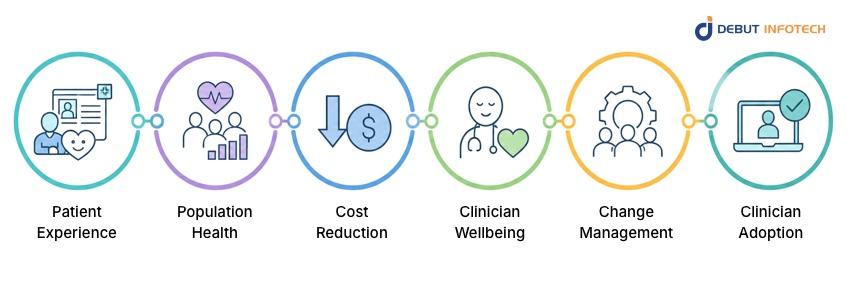
By combining intelligent insights with clinical judgment, healthcare organizations can deliver safer, more personalized, and more efficient care.
Augmented intelligence improves the patient experience by helping clinicians deliver faster, more personalized, and more informed care. It summarizes patient histories, identifies potential risks, and surfaces relevant clinical information during consultations, reducing the time spent searching through records.
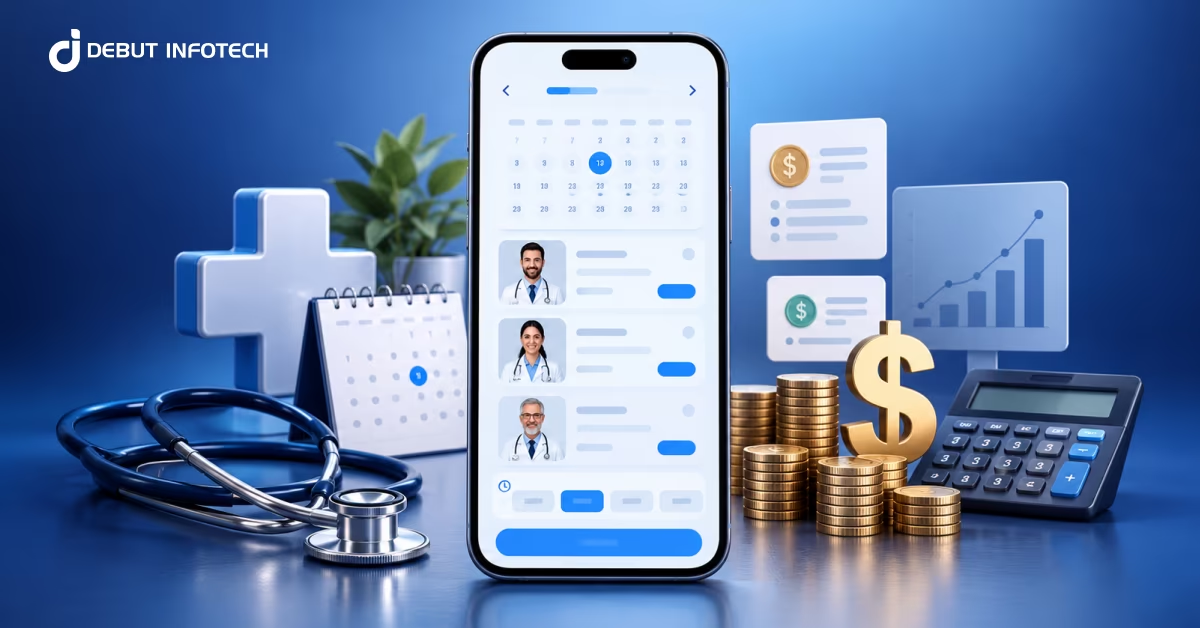
Intelligent scheduling, automated reminders, and virtual assistants in patient engagement software also simplify appointment management and patient communication.
Ambient documentation allows clinicians to focus on conversations instead of note-taking, creating more meaningful interactions.
By reducing delays, improving care coordination, and giving clinicians more time to engage with patients, augmented intelligence contributes to higher patient satisfaction while supporting better clinical outcomes.
Population health programs rely on identifying patients who need intervention before conditions become more serious.
Augmented intelligence in healthcare software development analyzes data from electronic health records, claims, laboratory results, and remote monitoring devices to detect high-risk individuals and emerging health trends.
Care teams can prioritize outreach, recommend preventive care, and monitor chronic conditions more effectively using these insights.
Predictive analytics also supports resource planning by helping healthcare organizations anticipate future demand.
While technology identifies patterns across large populations, clinicians determine the most appropriate interventions based on each patient’s medical history and individual needs.
Rising healthcare costs continue to challenge providers, payers, and patients.
Augmented intelligence helps control these costs by improving operational efficiency and supporting earlier clinical intervention.
Intelligent automation reduces manual work in claims processing, documentation, scheduling, and revenue cycle management, while predictive analytics helps prevent avoidable hospital admissions and duplicate testing.
Better documentation also improves coding accuracy and reimbursement. These efficiencies allow organizations to use clinical and administrative resources more effectively.
Although reducing costs is important, healthcare providers should always balance financial savings with quality care and positive patient outcomes.
Administrative responsibilities remain one of the leading contributors to clinician burnout.
Augmented intelligence reduces this burden by automating documentation, summarizing patient records, organizing inboxes, and supporting routine administrative tasks.
Physicians and nurses spend less time completing paperwork and more time delivering patient care. Intelligent healthcare software also reduces repetitive data entry and streamlines access to relevant clinical information, improving workflow efficiency throughout the day.
While technology cannot eliminate burnout on its own, it gives healthcare professionals more time to focus on meaningful clinical work, collaboration, and patient relationships, supporting long-term workforce wellbeing.
Successful adoption of augmented intelligence depends on effective change management as much as technical implementation.
Healthcare organizations should define clear objectives, communicate expected benefits, and involve clinicians throughout planning, testing, and deployment. Training should explain not only how the technology works but also when clinicians should rely on their own judgment.
Regular feedback sessions help identify workflow issues and opportunities for improvement after deployment.
By engaging clinical, operational, and IT teams from the beginning, organizations can reduce resistance, encourage adoption, and achieve more sustainable implementation outcomes.
Clinician adoption increases when augmented intelligence fits naturally into existing workflows and provides transparent, reliable recommendations.
Systems that integrate with electronic health records and minimize unnecessary alerts are more likely to gain clinician trust.
Explainable recommendations, supported by evidence or confidence scores, help healthcare professionals understand how conclusions were reached and when additional review is needed.
Organizations should also monitor usage, collect clinician feedback, and refine models after deployment to address practical challenges.
Keeping clinicians involved throughout the technology lifecycle encourages confidence, improves long-term adoption, and ensures augmented intelligence continues to support high-quality patient care.
Augmented intelligence works by collecting healthcare data, standardizing it, analyzing it with AI models, and presenting actionable insights to clinicians for review.
A continuous feedback process then refines the system over time, improving accuracy, usability, and clinical value without removing human oversight.
| Stage | Primary Objective | Human Role |
| Data ingestion | Collect information from multiple clinical sources | Ensure data quality |
| Interoperability | Standardize and exchange healthcare data | Validate integrations |
| Model inference | Generate predictions and recommendations | Review outputs |
| Clinician interface | Present actionable insights | Make final decisions |
| Feedback loop | Improve model performance | Validate and refine recommendations |
Every augmented intelligence system starts by gathering data from multiple healthcare sources, including electronic health records, laboratory systems, pharmacy platforms, imaging systems, wearable devices, and patient portals.
Bringing these datasets together creates a more complete picture of a patient’s health. Before the information can be analyzed, organizations should remove duplicates, correct inconsistencies, and address missing values to improve data quality.
Reliable, well-governed data is essential because inaccurate or incomplete information can reduce model performance and affect the quality of clinical recommendations.
After data is collected, an interoperability layer enables different healthcare systems to exchange information using standards such as FHIR and HL7.
APIs, integration engines, and middleware ensure patient records, laboratory results, medication histories, and imaging data are shared in a consistent format. This creates a unified clinical view instead of isolated datasets across departments.
Effective interoperability improves data accuracy, reduces manual data exchange, and ensures augmented intelligence systems receive the information they need to generate reliable, real-time insights.
Healthcare software development services can also help organizations design and implement the integrations required to connect these systems securely.
During model inference, machine learning algorithms analyze available data to generate predictions, summaries, or clinical recommendations.
Depending on the use case, the system may identify high-risk patients, detect abnormalities in medical images, summarize clinical notes, or recommend treatment options.
Many AI-enabled healthcare platforms combine predictive analytics, natural language processing, and computer vision to improve accuracy.
These outputs are intended to support clinicians, who remain responsible for evaluating recommendations within the broader context of each patient’s condition and medical history.
The user interface presents recommendations through dashboards, alerts, summaries, and visualizations that fit naturally into existing clinical workflows.
A well-designed interface highlights the most relevant information without overwhelming clinicians with unnecessary notifications. It should integrate with electronic health records, minimize extra steps, and make recommendations easy to understand.
By improving usability and reducing alert fatigue, the interface helps clinicians review AI-generated insights quickly while maintaining full control over diagnosis, treatment, and patient care decisions.
Augmented intelligence improves through continuous feedback from clinicians and operational teams.
Users review recommendations, correct inaccuracies, and identify situations where the system performed well or requires improvement. This information helps developers refine models, improve accuracy, and adapt to changing clinical practices.
Organizations should also monitor key performance indicators such as prediction accuracy, clinician adoption, workflow efficiency, and patient outcomes.
Continuous evaluation of AI-assisted healthcare software ensures the technology remains reliable, clinically relevant, and aligned with evolving healthcare needs.
Augmented intelligence is used across healthcare to support clinical decision support, medical imaging and diagnostics, remote patient monitoring, ambient clinical documentation, administrative automation, drug discovery, and mental health care.
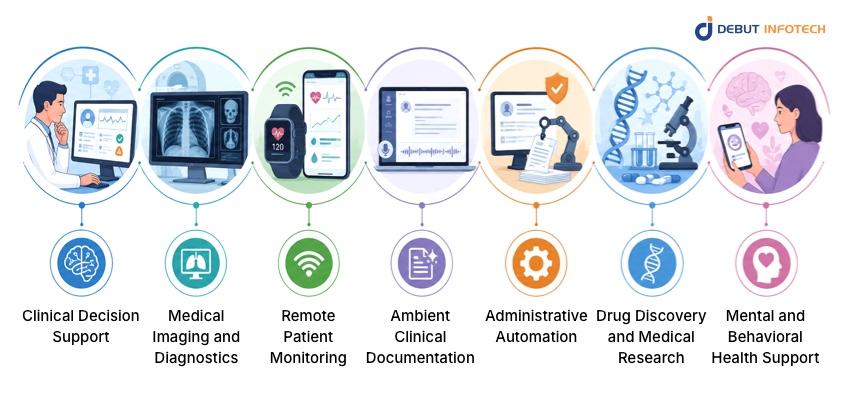
These applications help clinicians improve decision-making, streamline workflows, enhance patient outcomes, and reduce administrative burden while maintaining human oversight.
Clinical decision support remains one of the most established applications of augmented intelligence in healthcare.
Rather than diagnosing patients independently, these systems analyze patient-specific information alongside evidence-based clinical guidelines to generate recommendations that support physician decision-making.
Common capabilities include identifying potential medication interactions, recommending appropriate diagnostic tests, flagging abnormal laboratory trends, calculating disease risk scores, and suggesting treatment options that align with current clinical evidence. These recommendations help clinicians make faster, better-informed decisions while maintaining full responsibility for patient care.
Decision support systems perform best when they complement clinical expertise instead of attempting to replace it.
Physicians evaluate algorithmic recommendations alongside patient history, examination findings, and individual preferences before determining the most appropriate course of action.
Medical imaging generates enormous volumes of data every day, making it well suited for augmented intelligence.
Computer vision algorithms analyze X-rays, CT scans, MRI studies, mammograms, retinal images, and pathology slides to identify abnormalities that warrant closer review.
In radiology departments, intelligent systems help prioritize urgent examinations, measure lesions consistently, compare historical images, and detect subtle findings that may otherwise be overlooked during high workloads.
Similar capabilities support pathologists in identifying abnormal tissue samples and ophthalmologists in screening for retinal disease. These technologies improve efficiency rather than replacing specialists.
Radiologists and pathologists validate findings, interpret results within the broader clinical context, and communicate final diagnoses to the care team.
Remote patient monitoring combines connected medical devices with augmented intelligence to support continuous care outside traditional healthcare facilities.
Wearable sensors, smart blood pressure monitors, glucose monitors, pulse oximeters, and cardiac monitoring devices generate ongoing streams of patient data.
Intelligent medical data analytics identify meaningful changes within this information, allowing clinicians to detect deterioration earlier than would be possible through scheduled appointments alone.
Care teams receive alerts when predefined thresholds are exceeded, enabling timely interventions for patients with chronic diseases or those recovering after hospitalization.
Remote monitoring demonstrates the value of human-machine collaboration. Technology identifies patterns across thousands of data points, while clinicians determine whether changes require medication adjustments, additional testing, or immediate medical attention.
Clinical documentation is one of the biggest administrative burdens in modern healthcare.
Physicians often spend hours each day writing notes, updating electronic health records (EHRs), and completing documentation required for compliance and reimbursement.
Augmented intelligence streamlines this process by generating draft clinical notes from patient conversations while keeping clinicians responsible for reviewing and approving every entry.
Ambient documentation systems use automatic speech recognition, natural language processing (NLP), and large language models to capture conversations during consultations. They identify medically relevant information, organize it into structured clinical notes, and map details to the appropriate sections of the EHR.
Instead of creating documentation from scratch, clinicians edit and validate a nearly complete draft. This collaborative workflow improves both efficiency and accuracy.
Physicians spend less time typing after appointments, maintain better eye contact during consultations, and reduce the risk of incomplete documentation.
Because the final review remains with the clinician, generative AI in healthcare supports compliance and preserves clinical accountability.
Administrative processes account for a substantial portion of healthcare operating costs.
Scheduling appointments, verifying insurance eligibility, processing claims, coding encounters, managing prior authorizations, and coordinating referrals require significant staff effort. Many of these activities follow structured workflows that augmented intelligence can simplify.
Intelligent automation combines robotic process automation (RPA), machine learning, and workflow orchestration to complete repetitive administrative tasks more efficiently. For example, the system can extract information from referral documents, verify insurance coverage, flag incomplete claims before submission, or recommend the correct billing codes based on clinical documentation.
Healthcare operations automation does not eliminate the need for experienced administrative staff. Instead, it allows them to focus on exceptions, complex patient cases, appeals, and customer service while routine transactions are handled more consistently and faster.
Drug discovery traditionally requires years of laboratory research, clinical testing, and regulatory evaluation.
Augmented intelligence accelerates portions of this process by analyzing enormous datasets that include molecular structures, genomic information, scientific publications, clinical trial results, and real-world patient outcomes.
Researchers use machine learning in healthcare to identify promising drug candidates, predict molecular interactions, optimize trial design, and recruit suitable participants more efficiently.
Advanced analytics also help pharmaceutical companies identify opportunities to repurpose existing medications for new therapeutic applications, reducing both development time and research costs.
Human expertise remains indispensable throughout the research lifecycle. Scientists evaluate algorithm-generated hypotheses, design laboratory experiments, interpret biological findings, and ensure that clinical studies meet ethical and regulatory standards.
Augmented intelligence shortens the path to discovery, but scientific validation remains a human responsibility.
Mental healthcare providers increasingly use augmented intelligence to support assessment, monitoring, and patient engagement.
Digital tools analyze patient-reported outcomes, therapy notes, wearable device data, and behavioral trends to identify individuals who may require additional clinical attention between scheduled appointments.
Intelligent platforms can monitor symptom progression, identify changes in mood patterns, recommend evidence-based interventions, and help clinicians prioritize patients requiring urgent follow-up.
Some systems also assist therapists by summarizing previous sessions or identifying recurring behavioral themes that may influence treatment planning.
These technologies should always complement licensed mental health professionals rather than replace them. Emotional well-being depends on trust, empathy, clinical judgment, and individualized care.
Augmented intelligence provides additional insight, but diagnosis, treatment planning, and crisis intervention remain firmly within the clinician’s role.
Implementing augmented intelligence in healthcare is not simply a technology initiative. It is a clinical transformation project that affects workflows, governance, compliance, and patient care.
Organizations that begin with a clearly defined problem and involve clinicians throughout implementation consistently achieve better outcomes than those pursuing AI adoption for its own sake.
The following framework outlines a practical implementation roadmap that healthcare providers, health systems, digital health companies, and payers can adapt based on their organizational goals.
| Step | Primary Objective | Key Stakeholders |
| 1 | Define the workflow problem | Clinical leadership, department heads |
| 2 | Assess data readiness | IT, data governance teams |
| 3 | Choose the implementation model | Executive leadership, technology partners |
| 4 | Design interoperability | Integration architects, EHR teams |
| 5 | Validate models | Clinicians, data scientists |
| 6 | Complete compliance review | Compliance, legal, security |
| 7 | Run pilot program | Selected clinical departments |
| 8 | Scale deployment | Organization-wide leadership |
The first step is identifying a specific healthcare problem rather than adopting artificial intelligence as a broad strategic objective.
Organizations achieve greater success when they focus on measurable workflows with clearly defined outcomes.
Examples include reducing emergency department wait times, improving radiology turnaround, automating prior authorization, decreasing physician documentation time, identifying patients at risk of readmission, or improving sepsis detection.
Narrow use cases allow implementation teams to establish realistic objectives and evaluate performance using measurable clinical and operational metrics.
Success criteria should be agreed upon before AI software development for healthcare organizations begins. Metrics may include documentation time saved, reduction in administrative workload, improved diagnostic accuracy, clinician satisfaction, patient outcomes, or financial performance.
Clear objectives keep implementation focused on delivering measurable value.
High-performing augmented intelligence depends on high-quality healthcare data.
Before selecting algorithms or vendors, organizations should evaluate whether their existing data infrastructure can support intelligent clinical applications.
The assessment should examine electronic health record completeness, laboratory information systems, imaging archives, pharmacy databases, billing platforms, patient portals, interoperability capabilities, and historical data quality.
Teams should identify duplicate records, inconsistent coding standards, missing values, and fragmented information that could reduce model accuracy.
Data governance deserves equal attention. Healthcare organizations should establish ownership, validation procedures, retention policies, and quality monitoring before deploying predictive models into production environments.
Strong governance improves both regulatory compliance and long-term model performance.
Once data readiness has been established, organizations must determine how they will obtain their augmented intelligence capabilities.
The decision generally falls into three categories: building an in-house solution, partnering with a custom AI healthcare software development company, or implementing an existing commercial platform.
| Approach | Advantages | Considerations |
| Build internally | Maximum customization and ownership | Requires significant technical resources |
| Partner with a healthcare AI company | Faster deployment with healthcare expertise | Vendor selection becomes critical |
| Buy an existing platform | Lower implementation effort | Less flexibility and customization |
Building internally offers complete control over architecture, intellectual property, and customization. However, it requires experienced machine learning engineers, healthcare software developers, security specialists, interoperability experts, regulatory knowledge, and ongoing maintenance capabilities.
For many healthcare organizations, assembling this multidisciplinary team represents a significant investment. Partnering with an experienced healthcare technology company often provides a balanced approach.
Organizations gain access to domain expertise, proven implementation methodologies, compliance experience, and scalable engineering resources while retaining control over clinical objectives and governance.
Commercial platforms may also be appropriate when requirements align closely with standard workflows and extensive customization is unnecessary.
Interoperability should be designed before predictive models are introduced into clinical workflows.
Without reliable data exchange, augmented intelligence cannot produce accurate or timely recommendations.
Integration planning should identify every system that will contribute or consume clinical information. Typical integrations include electronic health records, laboratory systems, pharmacy platforms, radiology information systems, picture archiving and communication systems (PACS), billing applications, patient portals, and remote monitoring devices.
Standardizing these connections through FHIR APIs and HL7 messaging improves consistency across the healthcare ecosystem.
Security should be incorporated into the integration architecture from the beginning. Authentication, authorization, encryption, audit logging, API monitoring, and role-based access controls should protect every data exchange.
Designing security alongside interoperability reduces implementation risk and simplifies future compliance reviews.
After establishing a reliable data foundation and interoperability framework, the next step is selecting the appropriate model for the intended use case.
There is no universal model that performs well across every healthcare scenario. Organizations should evaluate models based on clinical objectives, available data, explainability, computational requirements, and regulatory considerations rather than choosing the newest or largest model available.
In some cases, a traditional machine learning model may outperform a large language model because it is easier to explain, validate, and maintain. Imaging applications often rely on computer vision models, while documentation assistants depend heavily on natural language processing.
Predictive risk scoring may require gradient boosting or neural networks trained on structured clinical data. Selecting the right technology should always begin with the clinical problem, not the technology itself.
Model validation should involve clinicians from the earliest stages. Physicians, nurses, pharmacists, and specialists should review recommendations, identify incorrect outputs, and verify that the system aligns with established clinical practice. This collaborative validation process helps uncover issues that technical testing alone may miss.
Best Practices for Model Validation
| Validation Area | Questions to Ask |
| Clinical accuracy | Are recommendations medically appropriate? |
| Performance | Does the model maintain acceptable accuracy across patient groups? |
| Bias | Does performance differ across age, ethnicity, or gender? |
| Explainability | Can clinicians understand why recommendations were generated? |
| Workflow fit | Does the system improve rather than interrupt care delivery? |
Compliance should never be treated as a final checklist before deployment. Regulatory, legal, and security requirements should shape the solution throughout development.
Early collaboration between compliance officers, cybersecurity teams, legal advisors, and clinical leadership reduces implementation risks and avoids costly redesigns later.
Healthcare organizations should determine whether the solution falls under HIPAA requirements, qualifies as Software as a Medical Device (SaMD), or requires additional regulatory review.
Security assessments should evaluate infrastructure, APIs, cloud environments, authentication mechanisms, third-party integrations, and data storage practices.
Documentation is equally important. Organizations should maintain detailed records covering system architecture, model training, validation results, security controls, clinical testing, and governance procedures.
Comprehensive documentation simplifies audits and demonstrates regulatory readiness.
Rather than deploying augmented intelligence across the entire organization immediately, healthcare providers should begin with a carefully selected pilot group.
A controlled implementation allows teams to evaluate technical performance, clinical adoption, and workflow integration before expanding to additional departments.
Pilot participants should represent the clinicians who will ultimately use the technology. Their feedback often identifies practical issues that technical teams overlook, such as unnecessary alerts, confusing interfaces, documentation gaps, or workflow interruptions. Addressing these concerns early increases confidence before organization-wide deployment.
Pilot success should be measured using predefined clinical, operational, and financial metrics.
Organizations should compare baseline performance with post-implementation outcomes to determine whether the technology delivers measurable improvements in patient care, clinician efficiency, or administrative performance.
After demonstrating success through the pilot, organizations can expand implementation gradually across departments, facilities, or service lines.
A phased rollout minimizes disruption while allowing teams to incorporate lessons learned from earlier deployments.
Scaling requires more than installing additional software. Healthcare organizations should provide ongoing training, establish governance committees, monitor system performance, and continuously evaluate clinician adoption.
Executive sponsorship and departmental champions also play an important role in sustaining long-term engagement.
Deployment should not mark the end of the implementation journey. Models require continuous monitoring, periodic retraining, security updates, and workflow refinement as clinical practices evolve.
Organizations that treat augmented intelligence as a continuously improving capability are more likely to realize lasting value.
Healthcare organizations adopting augmented intelligence must protect sensitive patient information while complying with applicable privacy and security regulations.
In the United States, the Health Insurance Portability and Accountability Act (HIPAA) establishes the baseline requirements for safeguarding protected health information (PHI). However, compliance alone does not guarantee security.
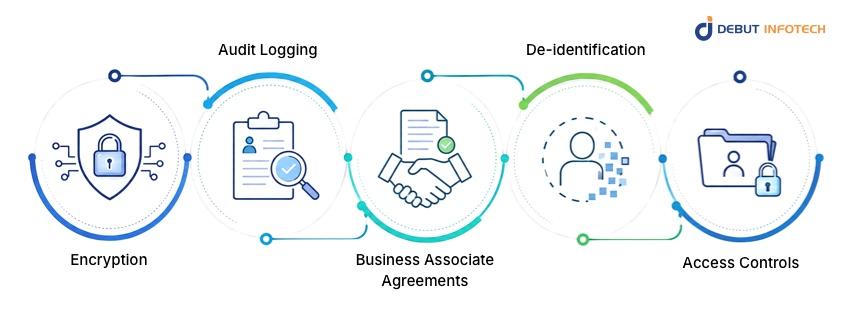
Modern augmented intelligence systems require additional safeguards that address evolving cyber threats, complex integrations, and machine learning-specific risks.
Encryption protects patient information during transmission and storage by converting readable data into an unreadable format that can only be accessed using authorized cryptographic keys.
It serves as one of the most effective safeguards against unauthorized disclosure following device loss, interception, or system compromise.
Healthcare organizations should encrypt electronic protected health information (ePHI) both at rest and in transit. Secure communication protocols such as TLS protect data exchanged between applications, while strong encryption standards safeguard databases, cloud storage, backups, and connected medical devices.
Encryption strategies should also include effective key management. Keys should be rotated regularly, stored separately from encrypted data, and accessible only to authorized personnel. Weak key management can undermine even the strongest encryption algorithms.
Every interaction involving patient information should generate an audit trail.
Audit logging records who accessed data, what information was viewed or modified, when the activity occurred, and which systems were involved. These records support regulatory compliance while helping organizations investigate suspicious behavior or security incidents.
Modern augmented intelligence platforms should extend audit logging beyond user activity.
Organizations should also record model predictions, clinician overrides, configuration changes, API activity, and administrative actions. These logs improve transparency and help explain how important recommendations were generated.
Audit logs should be protected against unauthorized modification and retained according to organizational policies and applicable regulations.
Regular reviews enable security teams to detect unusual access patterns before they develop into larger incidents.
Many healthcare organizations rely on cloud providers, software vendors, analytics platforms, and implementation partners when deploying augmented intelligence solutions.
If these third parties create, receive, maintain, or transmit protected health information on behalf of a covered entity, HIPAA generally requires a Business Associate Agreement (BAA).
A BAA clearly defines each party’s responsibilities for protecting patient information. It establishes expectations for security controls, breach notification procedures, data handling practices, subcontractor management, and regulatory compliance.
Organizations should execute these agreements before exchanging protected health information with external partners.
Vendor due diligence should extend beyond signed contracts. Healthcare organizations should evaluate each partner’s security certifications, incident response capabilities, compliance history, and ongoing risk management practices throughout the relationship.
Not every augmented intelligence application requires access to identifiable patient information.
Whenever possible, organizations should de-identify or anonymize datasets used for model development, testing, research, and analytics. Reducing the amount of identifiable information lowers privacy risks and supports responsible data governance.
HIPAA recognizes two primary approaches to de-identification: the Expert Determination method and the Safe Harbor method. Both are designed to reduce the likelihood that individuals can be identified from the remaining information, although each follows different technical and procedural requirements.
De-identification should not be viewed as a one-time exercise. As additional datasets become available, organizations should periodically evaluate whether combining information could increase re-identification risks and adjust governance practices accordingly.
Access controls ensure that users can view only the information necessary for their responsibilities.
Role-based access control (RBAC) remains one of the most widely adopted approaches because it assigns permissions according to professional roles rather than individual users.
Physicians may require access to complete clinical records, while billing specialists need only financial information relevant to reimbursement.
Researchers may work exclusively with de-identified datasets, and administrators may require infrastructure access without visibility into patient records.
Applying the principle of least privilege reduces unnecessary exposure to sensitive information.
Strong authentication further strengthens access control. Multi-factor authentication, session timeouts, privileged access management, and continuous monitoring help prevent unauthorized access while supporting secure clinical workflows.
Although HIPAA provides a critical regulatory framework, augmented intelligence introduces additional security considerations that traditional healthcare software may not encounter.
Machine learning systems can be targeted through techniques designed specifically to manipulate model behavior rather than steal data.
a) Model Tampering
Unauthorized modifications to model parameters, training datasets, or deployment configurations can alter recommendations without obvious signs of compromise.
Organizations should implement integrity monitoring, version control, digital signing, and controlled deployment pipelines to ensure models remain trustworthy throughout their lifecycle.
b) Adversarial Inputs
Adversarial attacks involve intentionally crafted inputs designed to confuse machine learning models. In medical imaging, for example, subtle modifications to an image could influence how an algorithm classifies a scan.
Although these attacks remain relatively uncommon in routine clinical environments, organizations should evaluate model robustness during testing and monitor unusual prediction patterns after deployment.
c) Third-Party API Exposure
Many augmented intelligence solutions depend on external APIs for language models, analytics, identity management, or cloud services.
Every additional integration increases the organization’s attack surface. Healthcare providers should evaluate API authentication mechanisms, rate limiting, encryption, vendor security practices, and data-sharing agreements before incorporating third-party services into production systems.
Security should evolve alongside technology. Continuous risk assessments, penetration testing, vulnerability management, and governance reviews help healthcare organizations maintain trust while protecting both patient information and clinical operations.
Augmented intelligence in healthcare offers significant benefits, but it also presents challenges that organizations must manage carefully.
Issues such as data bias, over-reliance on AI, accountability, and limited explainability can affect performance, making strong governance, clinician oversight, and continuous monitoring essential for responsible implementation.
Machine learning models learn from historical data.
If that data contains incomplete records, demographic imbalances, outdated clinical practices, or inconsistent coding, the resulting recommendations may also reflect those shortcomings.
Poor-quality data reduces model accuracy and can contribute to unequal outcomes across different patient populations.
Bias may appear in several ways. A predictive model trained primarily on one demographic group may perform less accurately for another.
Similarly, imaging algorithms developed using data from specific equipment or healthcare settings may struggle when deployed elsewhere. These differences can affect diagnostic confidence, treatment recommendations, and resource allocation.
Healthcare organizations should evaluate datasets before model development, test performance across diverse patient populations, and establish ongoing monitoring for fairness.
Clinician feedback remains one of the most effective methods for identifying biased outputs that technical performance metrics alone may overlook.
One of the most significant risks associated with augmented intelligence is excessive dependence on automated recommendations.
As clinicians become more familiar with intelligent systems, they may gradually place greater trust in algorithmic outputs, particularly when the technology has demonstrated consistent performance over time.
This phenomenon, often called automation complacency, can reduce critical thinking if clinicians begin accepting recommendations without sufficient review.
Although augmented intelligence is designed to support human decision-making, inappropriate reliance may increase the likelihood of missed diagnoses or overlooked clinical nuances.
Organizations should reinforce the principle that recommendations are advisory rather than prescriptive.
Training programs, governance policies, and user interface design should encourage clinicians to review supporting evidence, consider individual patient circumstances, and exercise independent clinical judgment before making decisions.
Introducing intelligent decision support into clinical workflows raises important legal and ethical questions regarding accountability.
If a clinician follows an incorrect recommendation generated by an augmented intelligence system, responsibility may involve multiple parties, including healthcare providers, software vendors, and healthcare organizations.
Current regulatory frameworks generally maintain that licensed healthcare professionals remain responsible for clinical decisions, even when technology contributes recommendations.
However, organizations should clearly define governance structures, documentation requirements, escalation procedures, and vendor responsibilities before deploying intelligent systems into patient care.
Transparent governance protects both patients and healthcare professionals. Clearly documented validation processes, clinician oversight, and audit trails provide evidence that recommendations were appropriately reviewed before influencing patient care.
Some machine learning models, particularly deep learning systems, generate highly accurate predictions while offering limited visibility into how specific conclusions were reached.
These “black box” characteristics can reduce clinician confidence, especially when recommendations influence high-risk clinical decisions.
Explainability has therefore become an important consideration during technology selection.
Healthcare organizations increasingly favor solutions capable of presenting confidence scores, supporting clinical evidence, highlighting imaging regions, or key factors that contributed to a prediction. These features help clinicians understand the reasoning behind recommendations instead of accepting outputs unquestioningly.
Explainability should not be viewed as an optional feature. It supports transparency, strengthens clinician trust, simplifies regulatory reviews, and promotes responsible adoption across healthcare organizations.
The ability to question and interpret recommendations remains central to the philosophy of augmented intelligence.
Regulatory oversight plays an essential role in ensuring that augmented intelligence solutions used in patient care are safe, effective, and clinically appropriate.
In the United States, the Food and Drug Administration (FDA) regulates many software-based medical technologies, including certain AI-enabled applications.
However, not every enterprise healthcare software product falls under FDA regulation. Organizations should understand where regulatory requirements apply before beginning development or deployment.
The FDA generally considers Software as a Medical Device (SaMD) to be software intended for one or more medical purposes that performs those functions without being part of a physical medical device.
Whether an augmented intelligence solution qualifies depends primarily on its intended use rather than the underlying technology.
Software that assists clinicians in diagnosing disease, recommending treatment, analyzing diagnostic images, or assessing patient risk may qualify as SaMD because it directly supports medical decision-making.
By contrast, applications focused exclusively on scheduling appointments, billing, workflow automation, or administrative documentation may fall outside FDA medical device regulation, although other legal and privacy requirements still apply.
Organizations should evaluate intended use carefully during product planning. Early regulatory assessment helps determine applicable requirements, development expectations, validation activities, and submission pathways before significant engineering resources are committed.
Examples of SaMD Classification
| Likely Regulated as SaMD | Typically Not Regulated as SaMD |
| Diagnostic image analysis | Appointment scheduling |
| Disease risk prediction | Revenue cycle automation |
| Clinical decision support affecting diagnosis | General transcription tools |
| Treatment recommendation software | Staff scheduling systems |
| Patient monitoring algorithms influencing care | Non-clinical reporting dashboards |
Once software qualifies as a medical device, developers must determine the appropriate FDA submission pathway.
The pathway depends on factors such as intended use, device risk, technological characteristics, and whether similar legally marketed devices already exist.
a) 510(k) Clearance
The 510(k) pathway applies when a developer demonstrates that a new device is substantially equivalent to an existing legally marketed device.
Many imaging support applications, diagnostic assistance tools, and clinical software products follow this route because comparable products already exist within the market.
b) De Novo Classification
The De Novo pathway is intended for innovative medical devices presenting relatively low or moderate risk but lacking an existing predicate device.
Developers provide evidence demonstrating that reasonable controls can ensure safety and effectiveness despite the novelty of the technology.
c) Premarket Approval (PMA)
Premarket Approval (PMA) represents the FDA’s most rigorous review pathway and generally applies to high-risk medical devices.
Developers must provide extensive scientific and clinical evidence demonstrating safety and effectiveness before commercialization.
Although fewer augmented intelligence applications require PMA, organizations developing high-risk clinical technologies should anticipate more comprehensive regulatory scrutiny.
FDA Pathway Comparison
| Pathway | Typical Risk | Common Use |
| 510(k) | Moderate | Similar to an existing cleared device |
| De Novo | Low to Moderate | Novel technology without predicate |
| PMA | High | High-risk medical applications |
Traditional software changes typically require additional regulatory review before deployment.
Machine learning introduces a unique challenge because models may improve continuously as new information becomes available.
To address this issue, the FDA has introduced the concept of Predetermined Change Control Plans (PCCPs) for eligible AI-enabled medical devices.
A PCCP outlines anticipated future modifications, explains how updates will be developed and validated, and defines the procedures ensuring continued safety and effectiveness.
Rather than submitting a completely new regulatory application for every approved change, developers can operate within the boundaries established by the approved change control plan.
PCCPs encourage healthcare software innovation while maintaining regulatory oversight. Organizations planning continuously improving models should incorporate lifecycle governance and change management into product design from the beginning.
Before deployment in patient care, augmented intelligence systems require rigorous clinical validation demonstrating that they perform reliably under real-world conditions.
Technical accuracy alone is insufficient because healthcare technologies ultimately influence clinical outcomes rather than isolated computational tasks.
Validation should evaluate diagnostic accuracy, sensitivity, specificity, false-positive rates, false-negative rates, usability, workflow integration, and consistency across different patient populations and healthcare environments.
Independent testing across multiple institutions often provides stronger evidence than evaluation within a single health system.
Clinician participation remains fundamental throughout validation. Healthcare professionals verify recommendations, identify clinically inappropriate outputs, and confirm that the technology integrates safely into routine practice before broader implementation.
Regulatory responsibilities continue after deployment.
Healthcare organizations and technology developers should monitor system performance continuously to ensure models remain accurate, reliable, and clinically appropriate throughout their operational lifecycle.
Post-market surveillance includes tracking adverse events, monitoring performance drift, reviewing clinician feedback, investigating unexpected behavior, and implementing corrective actions when necessary.
Periodic model evaluation is especially important because healthcare practices, patient populations, and clinical data evolve over time.
Continuous monitoring reinforces patient safety while supporting regulatory compliance.
Organizations that establish formal governance committees, performance dashboards, and incident response procedures are better positioned to maintain trustworthy augmented intelligence systems over the long term.
The future of augmented intelligence in healthcare lies in deeper collaboration between clinicians and intelligent technologies.
Advances in agentic workflows, multimodal diagnostics, privacy-focused AI models, and ambient documentation will improve clinical efficiency, support more personalized care, and strengthen healthcare decision-making while maintaining human oversight.
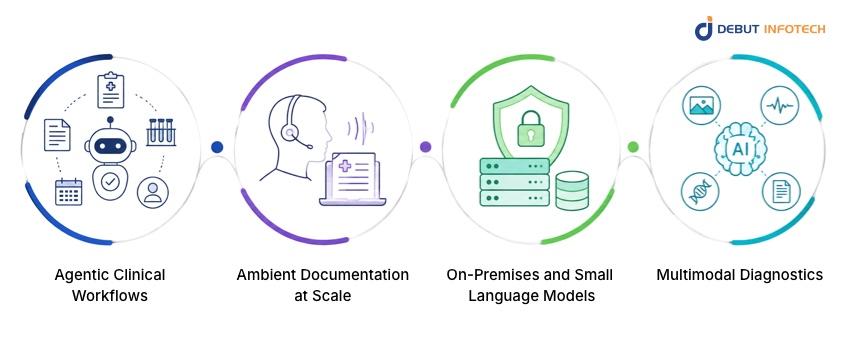
Emerging agentic systems will coordinate multiple healthcare tasks under clinician supervision.
Rather than completing a single activity, these intelligent agents may retrieve patient histories, summarize recent encounters, recommend diagnostic tests, prepare referral documentation, and organize follow-up care within one coordinated workflow.
Clinicians will continue approving significant actions, but routine coordination will become increasingly automated.
Ambient documentation is expected to expand beyond individual consultations.
Future platforms will summarize multidisciplinary meetings, generate discharge instructions, document nursing handoffs, and assist with care coordination across multiple healthcare settings.
Improvements in speech recognition and medical language understanding will further reduce documentation burden while maintaining clinician review.
Privacy concerns are driving interest in smaller language models that operate within hospital infrastructure rather than relying exclusively on external cloud services.
These models offer greater control over sensitive patient information, lower latency, and improved compliance with organizational security policies.
Advances in model efficiency are making this approach increasingly practical for healthcare providers.
Future augmented intelligence systems will analyze multiple forms of clinical information simultaneously.
Instead of evaluating laboratory results, imaging studies, physician notes, or genomic data independently, multimodal models will combine these sources to provide a more comprehensive understanding of patient health.
Clinicians will receive richer insights supported by evidence drawn from the complete clinical record rather than isolated datasets.
Successfully implementing augmented intelligence in healthcare requires expertise in AI, interoperability, security, and healthcare compliance.
Debut Infotech helps healthcare organizations build custom AI development solutions that improve clinical decision-making, automate workflows, and integrate seamlessly with existing systems using standards such as FHIR and HL7.
We develop HIPAA-compliant healthcare software with enterprise-grade security features, including encryption, role-based access controls, audit logging, and secure API integrations.
Our team also supports interoperability planning, solution validation, deployment, and ongoing optimization to ensure long-term performance and compliance.
Backed by expertise in AI, machine learning, cloud engineering, and healthcare software development, we deliver scalable solutions tailored to providers, payers, digital health companies, and life sciences organizations.
Our ISO 27001-aligned security practices and healthcare-focused approach help clients build secure, future-ready augmented intelligence platforms.
Augmented intelligence in healthcare represents a practical evolution of healthcare technology. Rather than replacing clinicians, it strengthens their ability to make informed decisions, improve operational efficiency, and deliver better patient care.
Organizations that combine high-quality data, secure infrastructure, clinician involvement, and strong governance are best positioned to realize its full value.
As healthcare continues to embrace intelligent technologies, long-term success will depend on responsible implementation rather than automation alone.
By keeping healthcare professionals at the center of every critical decision and deploying solutions that are transparent, compliant, and clinically validated, organizations can build systems that improve outcomes while preserving the trust that remains fundamental to patient care.
Augmented intelligence helps healthcare software support better clinical decisions instead of replacing healthcare professionals.
It analyzes patient data, flags potential risks, suggests treatment options, automates repetitive tasks, and reduces documentation time. This allows doctors, nurses, and administrators to work faster, minimize errors, and spend more time focusing on patient care.
Yes. Augmented intelligence can integrate with most modern EHR systems through APIs and healthcare standards like HL7 and FHIR.
It can access patient records, analyze clinical data, generate insights, and streamline workflows without requiring healthcare providers to replace their existing electronic health record platforms.
Augmented intelligence itself is not automatically HIPAA compliant. Compliance depends on how the software is designed, deployed, and managed.
Healthcare AI solutions can meet HIPAA requirements by using encryption, access controls, audit logs, secure data storage, and other safeguards that protect patient health information.
The cost of AI healthcare software development typically ranges from $50,000 to over $500,000. A basic AI-powered application may cost $50,000–$100,000, while enterprise-grade healthcare platforms with EHR integration, advanced analytics, and custom AI models often range from $200,000 to $500,000+.
The final cost depends on the software’s complexity, compliance requirements, integrations, and AI capabilities.
Almost any healthcare software can benefit from augmented intelligence. Common examples include EHR platforms, telemedicine apps, hospital management systems, medical imaging software, remote patient monitoring solutions, revenue cycle management platforms, clinical decision support systems, and patient engagement applications.
Development timelines vary based on the software’s scope and complexity. A basic AI-powered healthcare application may take three to six months. At the same time, enterprise-grade platforms with advanced AI features, regulatory compliance, third-party integrations, and custom models often require six to twelve months or longer.

Our Latest Insights
USA
2501 Chatham, Rd Suite R Springfield, IL 62704
+1-708-515-4004
info@debutinfotech.com
UK
7 Pound Close, Yarnton, Oxfordshire, OX51QG
+44-770-304-0079
info@debutinfotech.com
Canada
154 Eden Oak Trail, Kitchener, ON N2A 0H9
+1-708-515-4004
info@debutinfotech.com
INDIA
Sector 101-A, Plot No: I-42, IT City Rd, JLPL Industrial Area, Mohali, PB 140306
9888402396
info@debutinfotech.com